
Roll evidence
- Core inside diameter and roll outside diameter
- Web width, label pitch, liner and face material
- Unwind direction and leading edge
- Roll damage, telescoping or uneven winding
Web-path control
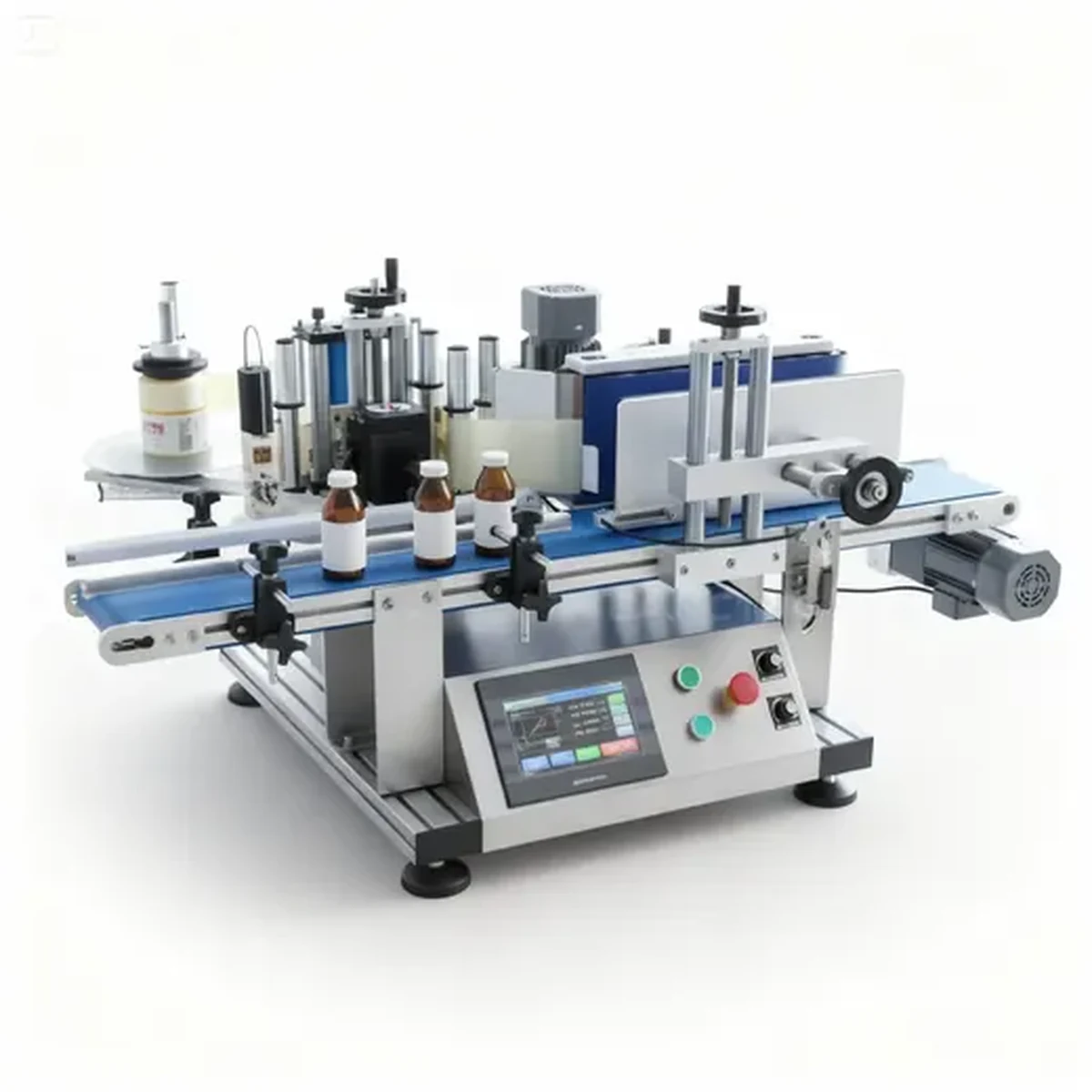
A pressure-sensitive labeller depends on the backing web tracking through guides, around the peel edge and onto the waste take-up without wandering, slipping or breaking. Tension must be stable enough to control the web but not so high that it distorts the liner, affects label release or overloads the rewind path.
Fault location
A drift observed at the peel edge may have started at the roll holder, a misaligned guide or an unevenly wound production roll.
| Area | What to inspect | Typical evidence |
|---|---|---|
| Supply roll | Core fit, roll face, telescoping, damage, unwind direction and brake behaviour. | Web pulls to one side before entering the guides. |
| Guide path | Guide alignment, edge contact, contamination and whether the web is centred. | Progressive wander or edge damage. |
| Sensor area | Web flatness, label/liner contrast and stable presentation through the detection point. | Intermittent gap detection or false triggers. |
| Peel edge | Cleanliness, angle, web contact and label release from the liner. | Labels remain on the liner, curl excessively or release inconsistently. |
| Waste rewind | Core grip, take-up direction, liner build-up and increasing roll diameter. | Slack loops, liner slip, tearing or changing tension through the run. |
Buyer question
Label web tension is the controlled pulling force that keeps the backing liner stable as it travels from the supply roll through the sensor and peel edge to the waste rewind. The correct condition is machine- and material-specific. It should control the web without stretching, curling, tearing or changing label release.
Do not copy a setting from a different liner or roll size without checking the production material. A change in liner thickness, roll diameter or waste build-up can alter the behaviour.
Buyer question
Sideways web wander can be caused by a supply roll wound unevenly, poor core location, misaligned guides, excessive edge pressure, contamination, a damaged peel edge or an off-centre waste rewind. The correct check starts at the roll and follows the complete path rather than adjusting the final guide first.
Mark the web centreline at several points and observe where movement first appears. If a production roll is telescoped or damaged, machine adjustment may not provide a stable result.
Buyer question
Labels may fail to release when the liner does not bend consistently around the peel edge, the label construction is too stiff or curled, adhesive has contaminated the path, the die-cut is poor, or web tension and speed do not suit the material. A clean peel edge and production-equivalent roll are essential before settings are judged.
Check whether the fault is confined to the end of a roll, one label batch or one temperature condition. That evidence helps separate machine setup from material construction.
Buyer question
Waste liner can break or slip if the take-up core loses grip, the liner is damaged, tension rises as the waste roll grows, the path is misaligned or labels and adhesive have contaminated the rewind. Stop the machine safely before clearing the path and investigate the first damaged point rather than simply tightening the take-up.
Repeated breaks at the same roll diameter can indicate a changing rewind condition. Repeated breaks at the same web position can indicate a material or die-cut defect.
Buyer question
Yes. Unstable web movement can change when the label reaches the dispensing point, but placement drift can also come from container detection, product spacing, slip during rotation or inconsistent label pitch. Confirm web stability first, then separate label-detection and container-handling causes using a controlled sequence.
The troubleshooting guide provides a wider fault-isolation method, while the sensor guide covers detection-specific checks.
Trial checklist
A repeatable diagnosis needs the actual roll identity and a clear record of where the web first becomes unstable.
Quick enquiry
Include container diameter, label size, material, target output and whether the label is paper, film or transparent. Lancing can recommend a suitable semi-automatic, compact or automatic configuration.
Phone: 01494 623015
Email: sales@lancinguk.com
Film, static and contamination
Static can contribute to light film clinging, dust attraction and unstable web behaviour, but it should not be assumed to be the cause without checking roll build, liner release, tension, guides, humidity and machine earthing.
Dust can come from the liner, die cutting, roll damage or the production environment. Clean the approved areas, inspect the roll condition and avoid masking a recurring material issue with repeated setting changes.
No. Confirm the symptom, material and environment first, then have any static-control method specified and installed safely for the actual machine and process.
Record roll batch, humidity, speed, web position, waste-rewind build, fault timing and a safe video. This helps separate a material batch issue from machine alignment or setup.