
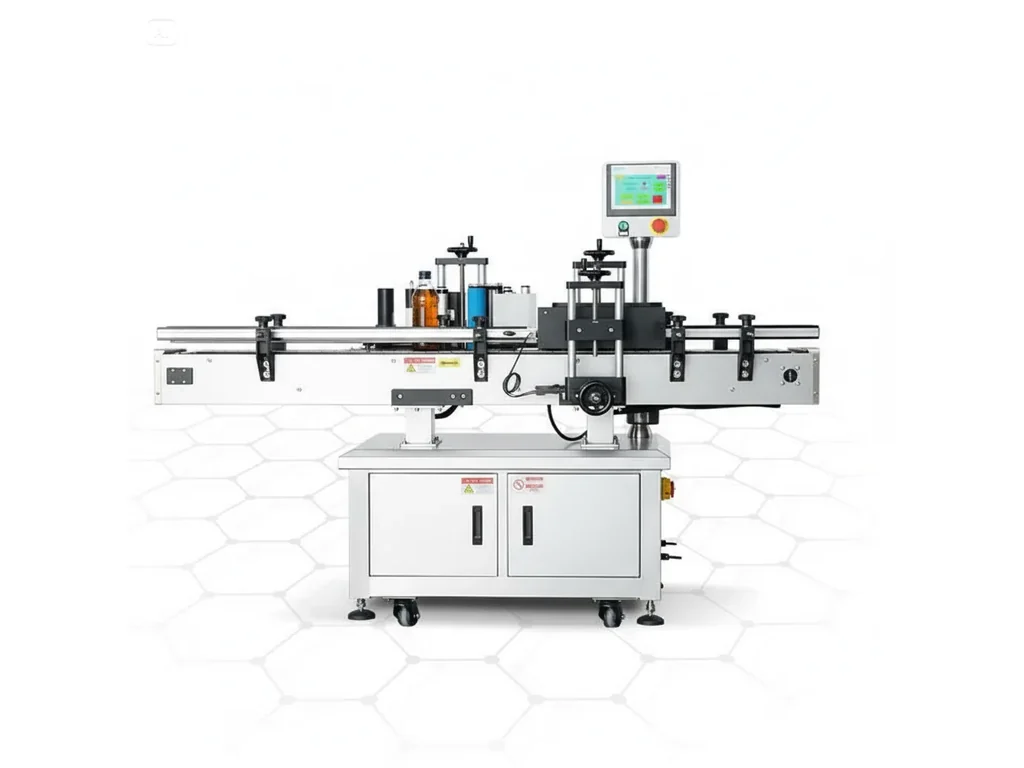
Automatic wraparound labelling machines
Automatic Wraparound Labeller
High-speed automatic wrap-around labelling for round bottles, cans and jars, with rotary electric clamping and line integration.
View detailsRound shape labelling
Explore Lancing automatic, compact and semi-automatic wraparound labellers. Each machine can be specified around container diameter, label size, material, speed and line integration requirements.
Product range
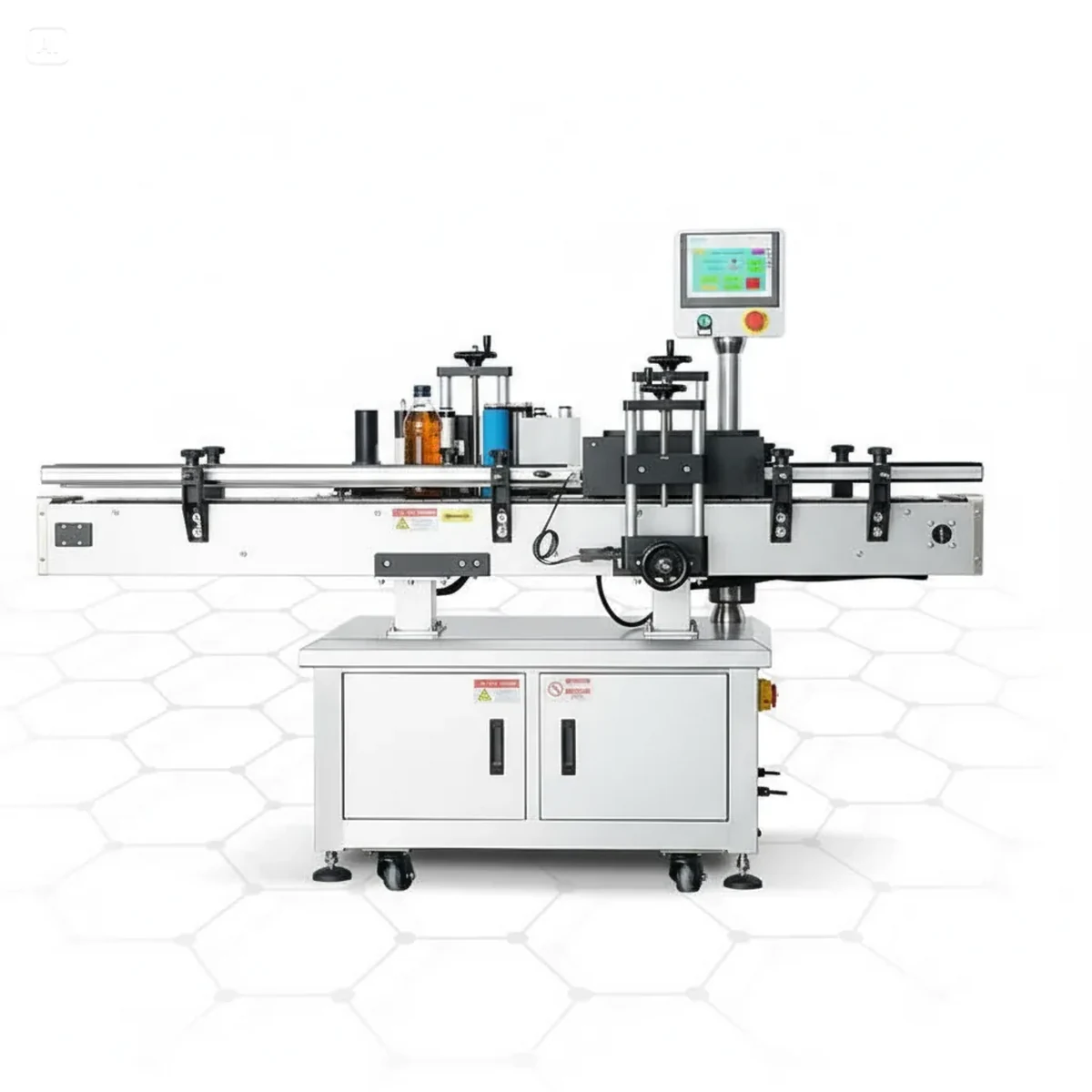
Automatic wraparound labelling machines
High-speed automatic wrap-around labelling for round bottles, cans and jars, with rotary electric clamping and line integration.
View details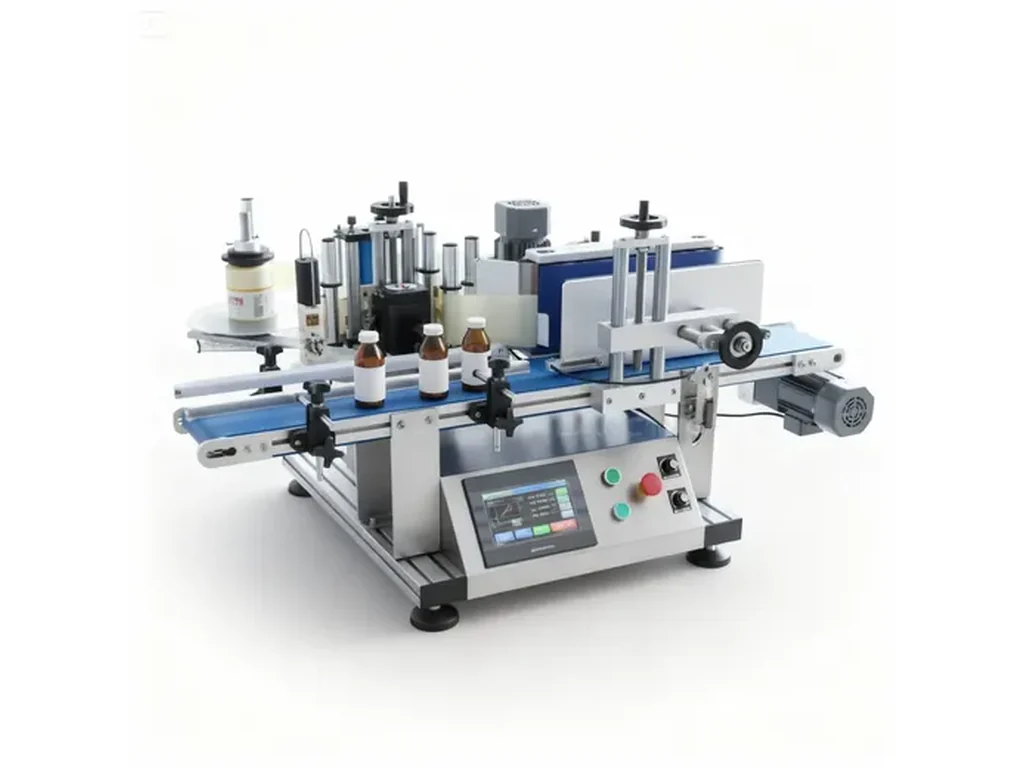
Compact wraparound labelling machines
Compact automatic wrap-around labeller for round bottles, cans and jars, suited to small lines and bench-to-line upgrades.
View details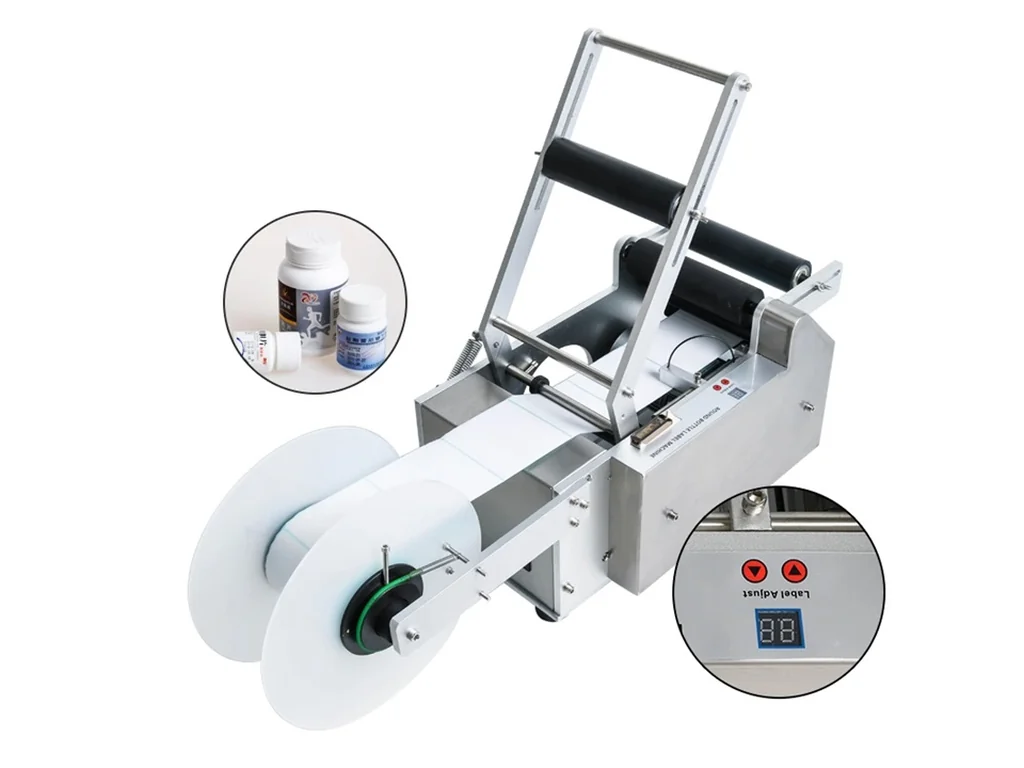
Semi-automatic wraparound labelling machines
Bench-top semi-automatic round bottle label applicator with optional integrated date coding for small batches and frequent changeovers.
View detailsCompare
Final specification should always be confirmed against your bottle sample, label roll, target throughput and conveyor layout.
| Machine | Best for | Output indicator | Integration |
|---|---|---|---|
| Automatic Wraparound Labeller | Automatic wraparound labelling machines | Up to approximately 6,000 bottles/hour | Integrates with fillers, cappers and conveyors |
| Compact Wrap Around Labeller | Compact wraparound labelling machines | Automatic wrap labelling for round containers | Simple setup for smaller production lines |
| Semi-Automatic Wrap Around Labeller (LT-50D) | Semi-automatic wraparound labelling machines | Built-in date code printer option | Compact bench-top unit for startups and pilot lines |
Configuration support
Reliable wraparound labelling depends on the relationship between bottle diameter, label stiffness, adhesive, label length, wipe-down pressure and container handling. Lancing can help review samples and propose the right control level before you buy.
Quick enquiry
Include the container diameter, label size, material, target output and whether the label is paper, film or transparent. We will recommend the most suitable semi-automatic, compact or fully automatic configuration.
Phone: 01494 623015
Email: sales@lancinguk.com
Detailed comparison
Reference figures describe the current machine routes; final suitability must be confirmed against the actual container, production label and required line conditions.
| Selection point | Semi-automatic LT-50D route | Compact automatic route | Fully automatic route |
|---|---|---|---|
| Container handling | Operator loads, activates and removes each container. | Compact conveyor with automatic sensing and application. | Continuous conveyorised handling with controlled infeed, wrap and discharge. |
| Verified output reference | Approximately 25–50 containers per minute, operator dependent. | Model and application dependent; confirm by timed trial. | Up to approximately 6,000 bottles per hour, label and configuration dependent. |
| Verified container range | Approximately 15–120 mm bottle diameter. | Round bottles, jars and cans; dimensional range is configuration dependent. | Round bottles and cans; dimensional range is configuration dependent. |
| Verified label information | Approximately 20–120 mm label width. | Standard or transparent pressure-sensitive labels with the suitable sensor. | Paper or film labels; standard or transparent labels with the suitable sensor. |
| Placement reference | Approximately ±1 mm under suitable sample and set-up conditions. | Confirm against the production container and label during trial. | High-precision wrap is specification dependent; agree the measurement method during trial. |
| Coding | Integrated date-printer option. | Date or batch-coder option. | Date coder and code-reader options. |
| Line integration | Bench-top, operator-fed workstation. | Basic infeed and discharge for smaller automatic production. | Touchscreen PLC, synchronised conveyor and integration with filling or capping lines. |
A bench-top machine describes the physical format, while semi-automatic describes the operating method. The LT-50D route is both: it is placed on a bench and depends on an operator to present and remove each container. A compact automatic machine still has a relatively small footprint, but the container is carried through an automatic application cycle. A fully automatic machine is intended to work as part of a balanced conveyor line.
Specification inputs
Small differences in the pack or label roll can change the sensor, guides, wrap pressure and sustainable output.
Measure every format, including the straight-sided label panel. Highlight taper, seams, ribs, recessed areas, shoulders, flexible walls and any cap or base feature that changes how the container rotates.
Supply label width and length, gap, web width, core inside diameter, roll outside diameter, winding direction, backing liner, adhesive and face material. Send the production roll rather than a visually similar sample.
State normal output, peak output, batch length, changeover pattern, coding, inspection, available operators and whether the labeller must exchange start, stop or fault signals with other machinery.
If the container is oval, rectangular or shaped and requires separate front and rear panels, the application belongs with the front and back labelling range rather than a round-container wrap machine. For broad product-labelling comparisons beyond round packs, use Labelling Machines UK.
Buyer questions
Not necessarily. Bench-top describes the machine format. The LT-50D route is semi-automatic because an operator loads and removes each container, while some compact machines use a bench or small stand with automatic conveying.
A compact automatic labeller can reduce manual handling without the space and controls of a full inline system. The decision should include expected growth, available floor space and whether the labeller will later connect to other machinery.
Compare sustainable throughput using the same container, label, coding requirement, operator method and infeed conditions. A headline maximum from a different application is not a like-for-like production result.
Provide label and web dimensions, core diameter, roll outside diameter, winding direction, label gap, backing liner and face material. Transparent and low-contrast labels should be supplied for sensor testing.
Mild taper may be trialled, but it can cause skew or overlap variation. Oval and flat-sided containers usually need a different handling and application method, particularly when separate front and rear labels are required.
Yes. For an automatic project, provide conveyor direction and height, upstream and downstream speeds, available accumulation, controls requirements and the position of any coder, inspection or reject equipment.
Shortlisting method
The easiest bottle can make several machines appear suitable. The better shortlist starts with the smallest, largest, least stable and most difficult label combinations that must run in normal production.
| Limiting format | Evidence to supply | Selection question |
|---|---|---|
| Smallest and largest container | Diameter, height, filled weight and photographs of the usable cylindrical label panel. | Can one handling arrangement support both formats without loss of stability or excessive changeover? |
| Container with the greatest taper | Diameter measured at the top and bottom of the intended label area, plus a physical sample. | Is a straight pressure-sensitive wrap practical, or should a different label format or specialist labelling method be considered? |
| Longest and widest label | Label length, label width, web width, liner, gap, roll core and outside diameter. | Does the label fit the dispensing path and complete the wrap at the required production rate? |
| Transparent or low-contrast construction | A production roll including the final clear label, liner, print and die-cut gap. | Which sensor configuration identifies every label without false triggers or missed gaps? |
| Highest normal output | Accepted containers per minute or hour, batch duration, coding and downstream capacity. | Is operator-fed handling sufficient, does compact automation fit, or is a fully integrated line required? |
| Most frequent changeover | Number of stock-keeping units, format sequence, label-roll changes and available operator time. | Will changeover and setting verification consume more capacity than the nominal cycle speed saves? |
| Most demanding code | Data content, print area, label material, verification method and reject requirement. | Can coding be integrated without compromising label sensing, spacing or accepted output? |
Confirm that each container can be supported and rotated consistently and that the full production label roll fits the proposed machine. Start with the formats most likely to slip, tip, flex or show skew.
Run the final label and backing liner, then record sensor detection, vertical placement, seam position, skew, wrinkles, bubbles and edge lift across a repeat sample.
Measure accepted output with normal loading, coding, roll changes, line stops and finished-pack removal included. Use the output speed guide rather than comparing unqualified maximum figures.
The published LT-50D reference of approximately 25–50 containers per minute is operator dependent. The automatic reference of up to approximately 6,000 bottles per hour is label and configuration dependent. The compact route is model and application dependent. These are different production methods, so the final choice should be based on the complete handling cycle and a documented sample trial.
Project delivery
Automation level affects changeover, installation, training and acceptance as well as headline output.
| Decision | Bench or semi-automatic | Compact automatic | Fully automatic |
|---|---|---|---|
| Primary handling | Operator loads and removes each pack. | Conveyorised labelling with a compact infeed and discharge. | Integrated container spacing, wrap control and line interfaces. |
| Changeover emphasis | Workstation reference, roll threading and first-off approval. | Container guides, sensor, web path and product timing. | Full line format, controls, coding, inspection and accumulation. |
| Project preparation | Operator method and batch pattern. | Footprint, product transfer and future line route. | Layout, utilities, signals, guarding and acceptance plan. |
Use the changeover guide, installation guide and quotation factors guide before comparing final scope.
Final selection questions
The bench, compact or fully automatic route is only the first decision. Label technology, orientation, inspection and site acceptance can alter the final configuration.
If artwork or the label seam must align to a bottle seam, embossment, mark or closure feature, provide the reference and required tolerance before the wrap method is selected.
Read the orientation guideFor a stable round container it is a strong route to assess, but a shrink sleeve may be considered when the decoration must conform to more complex geometry or use a heat-shrink process.
Compare label technologiesDefine whether the line needs label presence, measured position, code readability, product identity or reject confirmation. The defect definition determines the inspection method.
Plan inspection and reject handlingSeparate factory evidence from installation, controls, line balance, safety interfaces, training and production conditions that can only be confirmed during commissioning.
Plan site acceptance