
◉
Explore automaticAutomatic wraparound labellers
High-speed inline machines with conveyor control, rotary clamping and integration options.
Wraparound labelling machines UK
Lancing supplies automatic, compact and semi-automatic wrap-around labellers for cylindrical containers, giving clear label placement, controlled product rotation and practical UK support.
Machine range
Choose a low-cost semi-automatic label applicator, a compact automatic machine for growing production, or a fully integrated inline labeller for high-output round bottle lines.
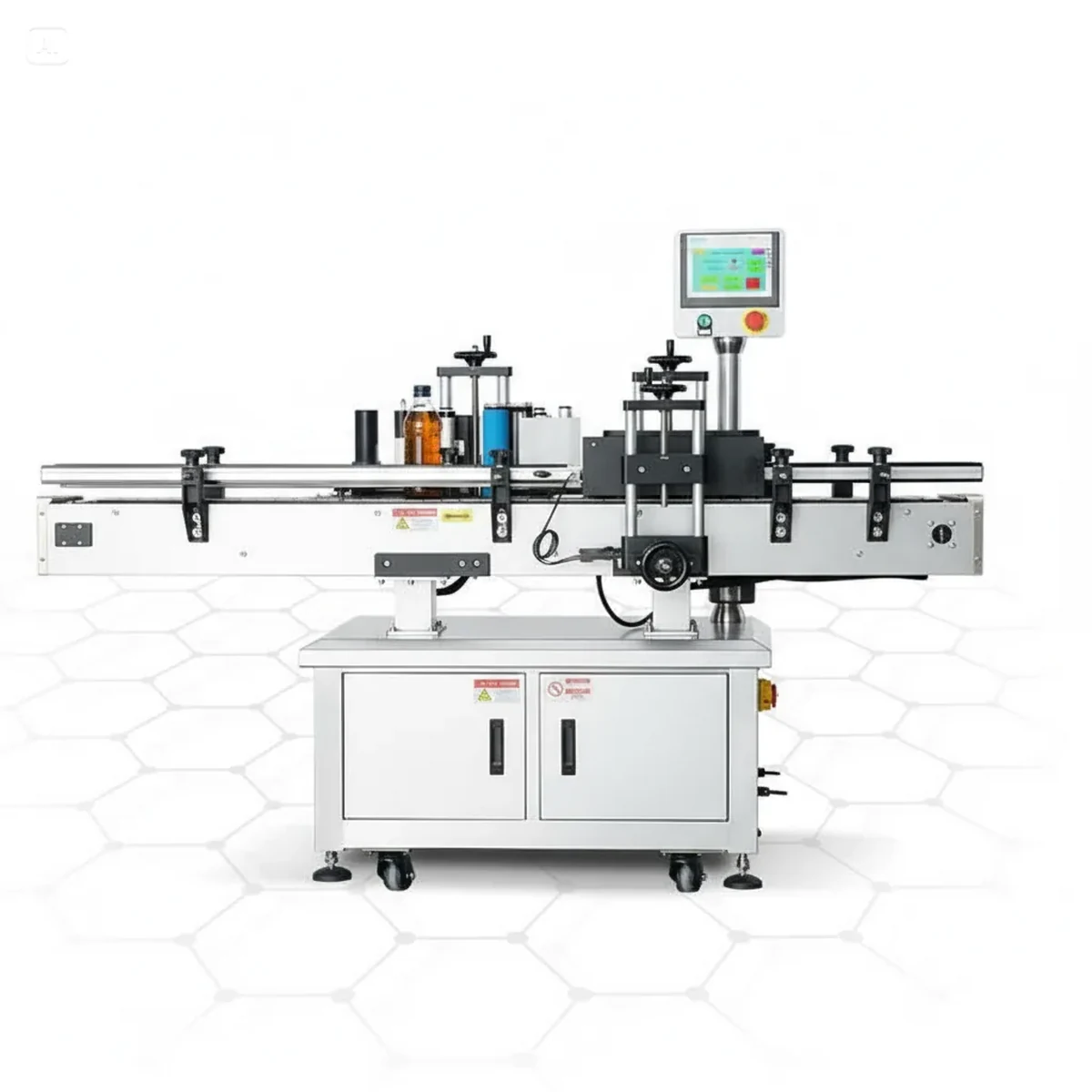
High-speed inline machines with conveyor control, rotary clamping and integration options.
Space-saving automatic systems for bottles, cans, jars, condiments and disinfectant products.
Operator-fed machines for small batches, pilot production and frequent product changeover.
Featured machines
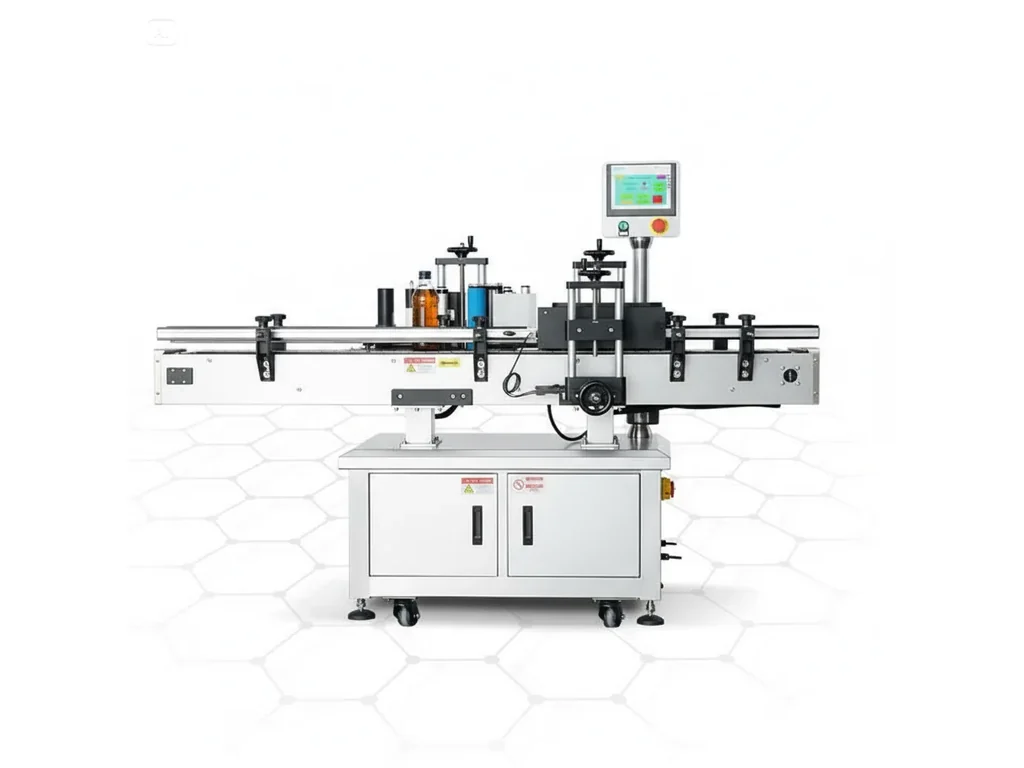
Automatic wraparound labelling machines
High-speed automatic wrap-around labelling for round bottles, cans and jars, with rotary electric clamping and line integration.
View details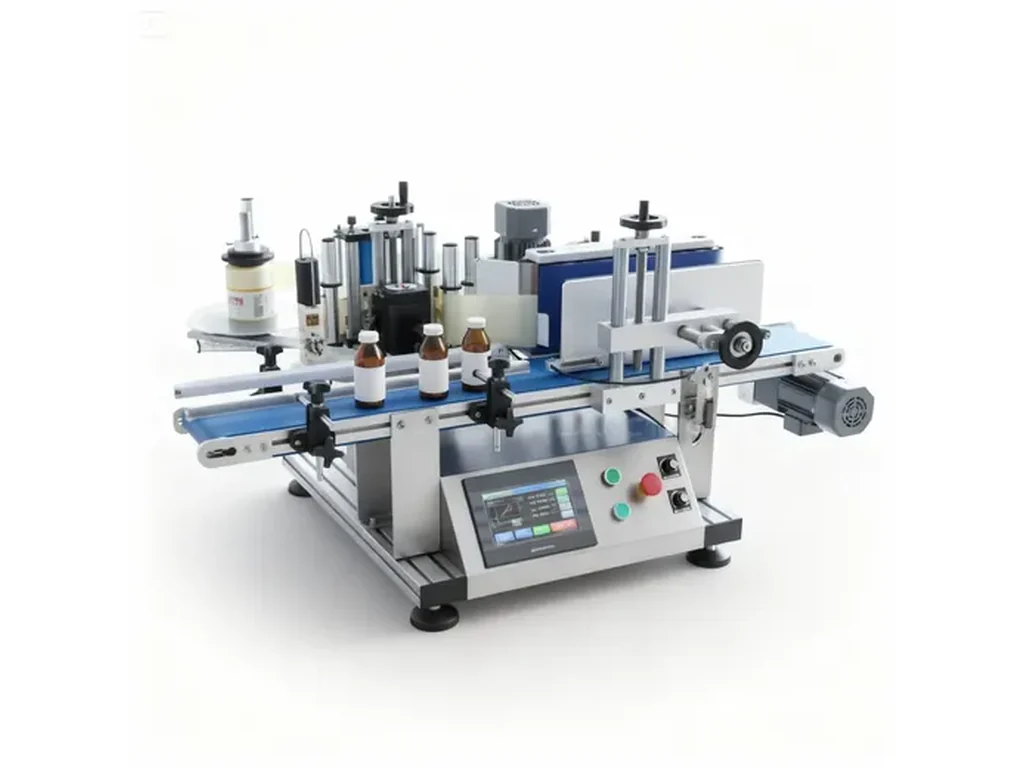
Compact wraparound labelling machines
Compact automatic wrap-around labeller for round bottles, cans and jars, suited to small lines and bench-to-line upgrades.
View details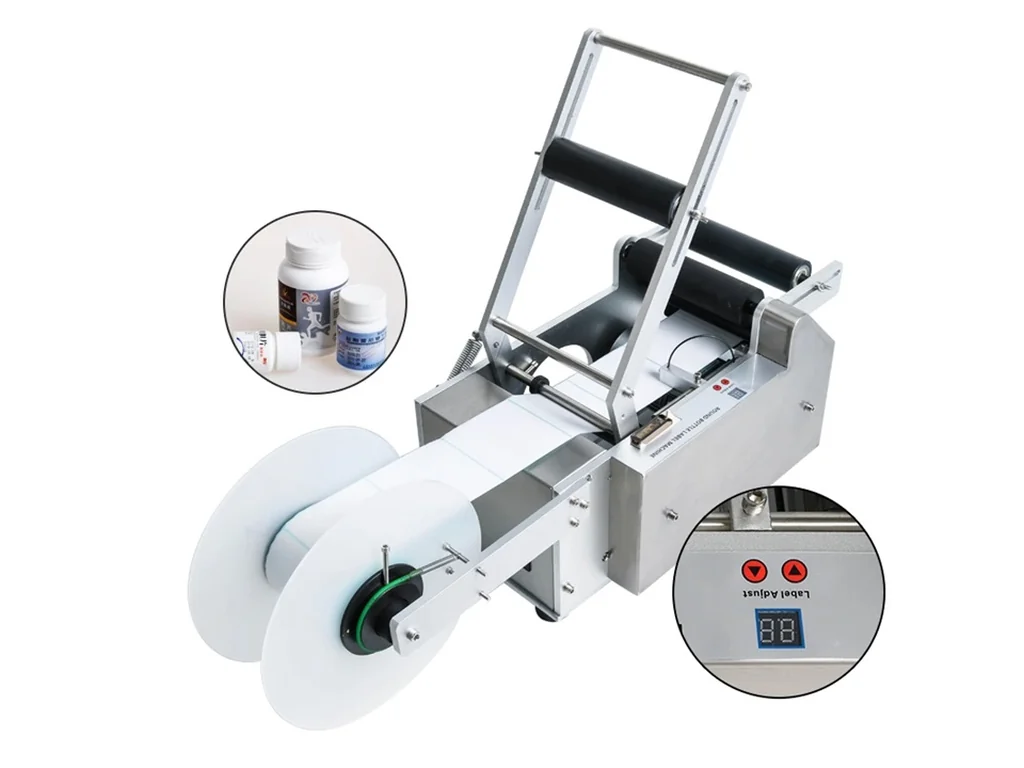
Semi-automatic wraparound labelling machines
Bench-top semi-automatic round bottle label applicator with optional integrated date coding for small batches and frequent changeovers.
View detailsWhy Lancing
Lancing has specialised in semi-automatic and fully automatic packaging machinery for over 40 years. From its South East England base, the company supplies machinery throughout the UK, Europe and worldwide.
For wraparound labelling projects, Lancing reviews the container, label stock, required accuracy, speed target and any surrounding filling, capping or coding process before specifying the machine.
Applications
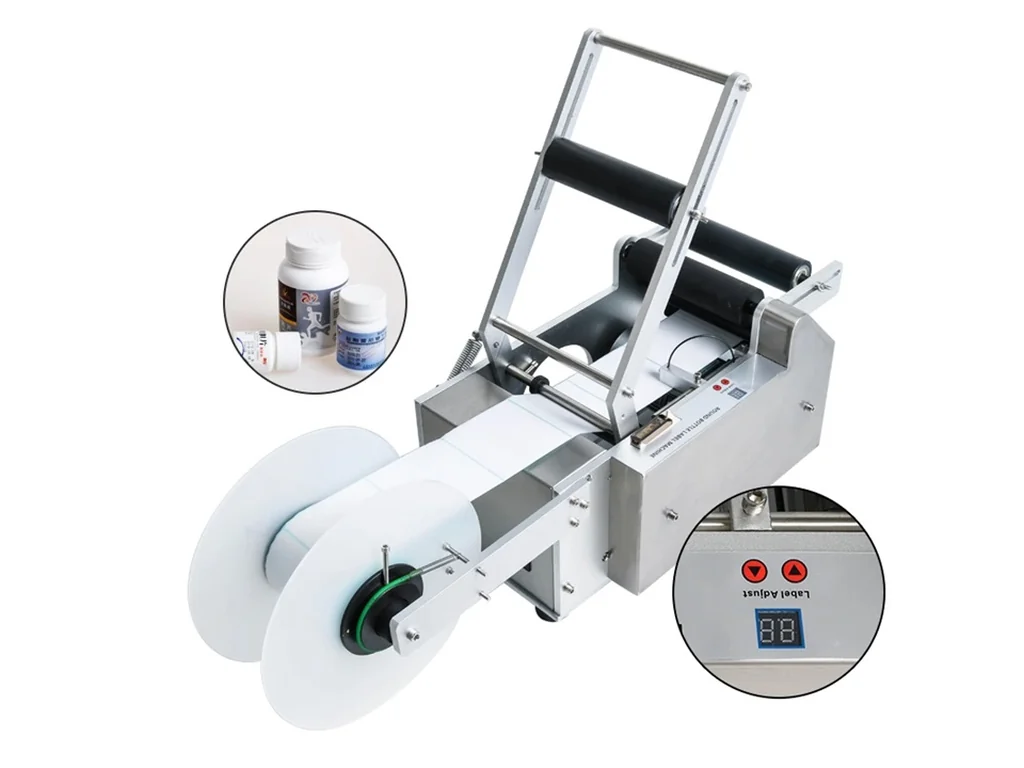
Food, drink, sauces, honey, oils, cosmetics, cleaning products and similar round containers.
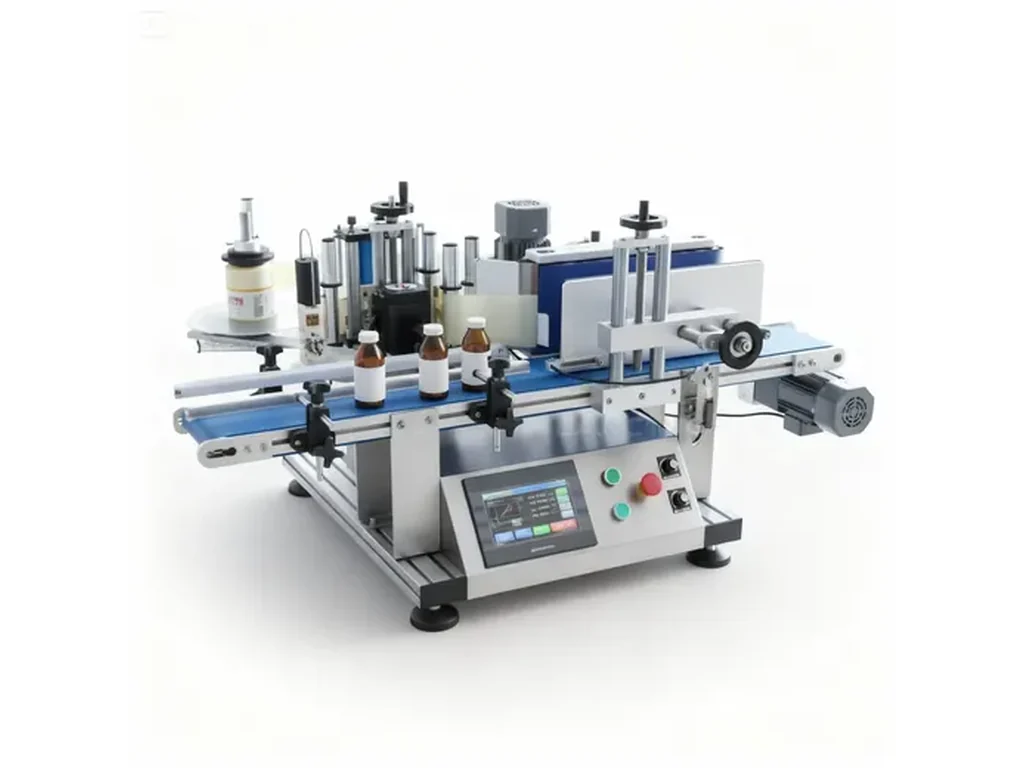
Wrap labels for cans, tubs and cylindrical packs where consistent presentation matters.
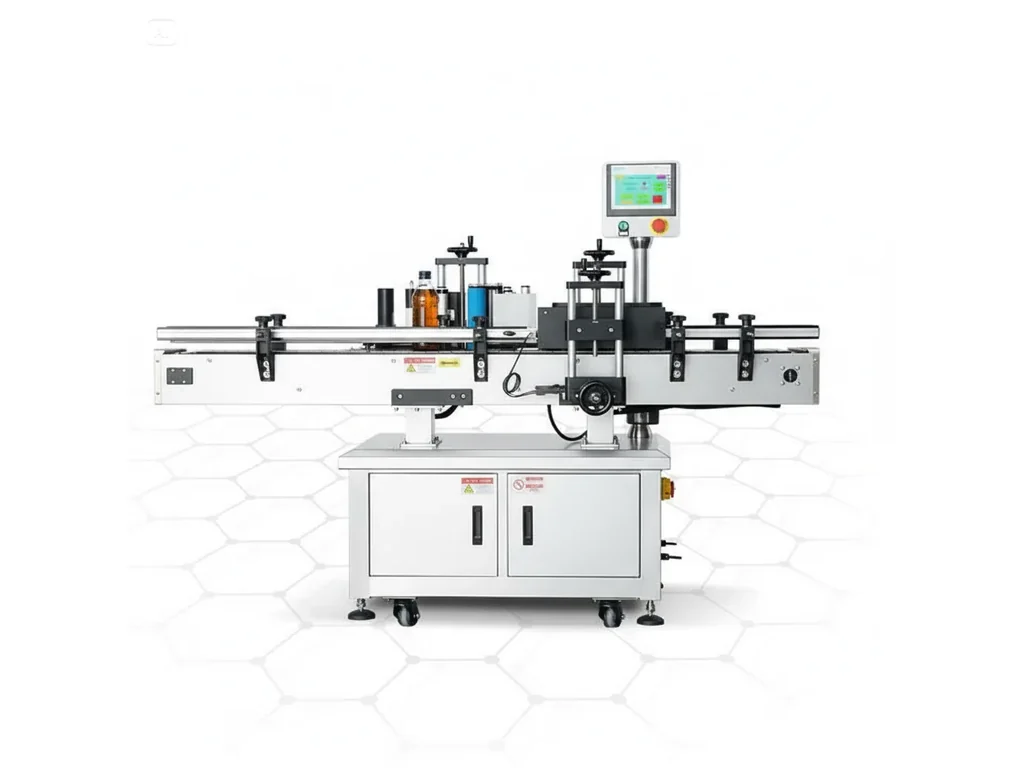
Add date coding, batch coding, clear-label sensing or code reader options when required.
Round container labelling
Use these guides to compare round-container labelling options by container shape, label material, sensing, coding, production scale and line-integration requirements before requesting a quotation.
For cylindrical bottles, vials, jars and cans requiring accurate wraparound label placement.
For sauces, drinks, oils, cosmetics, chemicals and healthcare bottles.
Compare bench-top, compact automatic and inline applicators for pressure-sensitive labels.
For honey jars, sauce jars, cosmetic jars and cylindrical retail packs.
For round cans, tubs and cylindrical technical product containers.
Send bottle diameter, label size, output target and photos of the container for fast advice.
Production routes
Compare automatic, tabletop, semi-automatic and self-adhesive labelling routes by batch size, operator handling, changeover frequency and line-integration needs.
For higher-output conveyorised bottle, jar and can lines.
For hand-loaded short runs and growing production.
Small-footprint labelling equipment for bench-top or compact production areas.
Pressure-sensitive label application for paper, film and clear labels.
Conveyorised labelling for existing or new production lines.
A practical route to straighter, more repeatable round bottle labels.
Speak to Lancing
Send us your bottle diameter, label size, label material and target output. We will recommend a suitable semi-automatic, compact or fully automatic configuration.
Quick enquiry
Include the container diameter, label size, material, target output and whether the label is paper, film or transparent. We will recommend the most suitable semi-automatic, compact or fully automatic configuration.
Phone: 01494 623015
Email: sales@lancinguk.com
Application engineering
A reliable result comes from matching the container, label roll, sensor, wrap method and production line rather than choosing a machine from output alone.
Wraparound pressure-sensitive labelling is designed for containers that can rotate in a controlled way while a self-adhesive label is dispensed and pressed onto the surface. Round bottles, jars, cans, tubs and vials are common candidates, but the usable label panel still needs to be checked. Container taper, moulding seams, shoulders, recessed panels, soft walls and an uneven base can all influence how the pack tracks and whether the label seam finishes square.
Record the minimum and maximum container diameter and height, the usable straight-sided label panel, the label width and length, and the surface material. Include filled samples where product weight changes stability or wall rigidity.
Confirm the roll core diameter, maximum outside diameter, web width, winding direction, label gap, backing liner and whether the label is paper, opaque film, metallic or transparent. Clear labels should be tested with the proposed sensor.
Define normal and peak output, batch size, changeover frequency, operator availability, conveyor direction and height, upstream spacing and any date, batch or lot coding that must happen during labelling.
Choosing the automation level
The right route depends on the whole production method, not only the fastest possible cycle.
| Route | How containers are handled | Where it is usually strongest | Points to confirm |
|---|---|---|---|
| Semi-automatic bench labeller | An operator loads and removes each round container and starts the cycle. | Short batches, pilot work, many product changes and production where labour is already available. | Operator rhythm, bottle stability, label size, coding requirement and finished-pack handling. |
| Compact automatic labeller | A small conveyor presents containers to an automatic dispensing and wrap station. | Growing production that needs repeatability and reduced handling without a full-size integrated line. | Infeed and discharge space, container spacing, sensor type, line height and future integration. |
| Fully automatic wraparound labeller | Conveyorised handling, sensing and controlled rotation operate continuously with the surrounding line. | Higher-output filling and capping lines where speed, line balance and repeatable presentation are important. | Sustainable line rate, accumulation, controls interface, guarding, coding, inspection and changeover. |
Send representative containers and production labels where possible, plus dimensioned photographs, the label roll specification, normal batch size and required output. For an existing line, include conveyor height and direction, available straight length, current filler and capper speed, and details of any upstream or downstream sensors.
The sample and testing guide explains how to prepare a trial, while the buyer’s guide provides a wider specification checklist.
This site is focused on pressure-sensitive wraparound application to round containers. Flat, oval or shaped bottles that need separate front and rear labels are better reviewed through the specialist front and back labelling range. For a wider comparison of bottle labellers, visit Bottle Labellers UK; for the broader labelling-machinery portfolio, use Labelling Machines UK.
Complete filling, capping, conveying and packaging-line projects are covered by Lancing UK.
Application data
Wraparound labelling quality depends on the relationship between the round container, the pressure-sensitive label construction, the sensor and the way the pack is presented to the machine.
| Information area | Details to record | Why it matters to the labeller |
|---|---|---|
| Round container | Minimum and maximum diameter and height, filled weight, material, rigidity, base stability, seams, mould marks and any taper across the label panel. | These details influence guide settings, product rotation, contact pressure and whether a straight wrap can be achieved consistently. |
| Label face material | Paper or film, opacity, stiffness, adhesive, label width and length, and the intended overlap or gap at the seam. | Label construction affects dispensing, wrap behaviour, edge lift and the amount of control needed while the container rotates. |
| Web and gap | Backing-liner material, web width, label gap, die-cut shape and the position of the label on the web. | The sensor must identify each label reliably and the web must track through the dispensing path without wandering. |
| Label roll | Core inside diameter, roll outside diameter, winding direction and which edge leads into the machine. | The roll must fit the holder and unwind in the correct direction without forcing a last-minute change to production labels. |
| Sensing | Whether the label is opaque, film, metallic or transparent and whether the liner creates a detectable contrast. | Standard gap sensing may suit many opaque labels; transparent constructions should be checked with the proposed clear-label sensor using a production roll. |
| Coding and inspection | Date or lot data, print area, print technology, code-verification requirement and the response to an unreadable code. | Coding and inspection can alter label pitch, container spacing, controls and the sustainable line rate. |
| Production line | Normal output, peak demand, batch size, conveyor height and direction, available straight length, accumulation and surrounding filler or capper speeds. | This determines whether an operator-fed, compact automatic or fully automatic wraparound labeller is the most practical route. |
Ask each proposed configuration to state which container and label formats were reviewed, which sensor is included, how output was assessed and what change parts or adjustments are needed. A headline machine speed is not comparable unless the label length, container handling, coding and acceptance criteria are also stated.
Use the specification checklist to assemble the project data and the sample-testing guide to define a repeatable trial.
This website covers pressure-sensitive wraparound labels on round containers. Shaped bottles that need separate front and rear labels are better reviewed through Front & Back Labelling. Applications requiring a newly printed variable-data label should be assessed through Print & Apply. The wider labelling portfolio is available from Labelling Machines UK.
For complete filling, capping, conveying and labelling projects, see Lancing UK packaging machinery.
Project evidence
Use these resources to define the roll, surface, placement, installation and operator evidence that a production project needs.
Record core, web width, roll diameter, pitch and unwind before a sample trial.
Define height, skew, seam, wrinkles, bubbles and edge-lift acceptance.
Test paper, film and clear labels on the finished container surface.
Prepare access, utilities, conveyors, controls and commissioning materials.
Watch the automatic sequence and prepare a representative acceptance run.
Review the operator-fed cycle and the evidence needed for a bench trial.
Advanced buyer questions
These decisions often sit outside a basic machine shortlist but can change the required application method, controls and acceptance plan.
A pressure-sensitive wraparound label uses adhesive and a backing liner, while a shrink sleeve is a heat-shrunk film. Compare container geometry, required coverage, utilities, coding and trial evidence before choosing.
Compare the technologiesOrientation is needed when the label start, seam or artwork must align to a repeatable bottle feature. The feature, detection method and finished tolerance should be proven with production samples.
Review orientation and registrationSite acceptance confirms installed utilities, line interfaces, safety integration, approved formats, training and handover in the real production environment rather than repeating an undefined factory demonstration.
Plan commissioning and SATStable liner tracking, peel release and waste rewind are essential to repeatable sensing and dispensing. A web fault should be traced from the supply roll rather than corrected only at the final guide.
Diagnose web handlingInspection is justified when the line must identify a defined defect such as a missing label, poor position or unreadable code and then remove or stop the failed pack through controlled logic.
Define inspection and rejectionSend difficult containers, production label rolls, target accepted output, line layout, coding and inspection needs, plus the tests used to accept the finished pack.
Prepare the specificationProduction environment and lifecycle
These project factors can change the required label construction, machine architecture, guarding, acceptance plan and aftercare even when the container is round.
Prepare condensation-prone, rinsed or product-contaminated packs and separate machine placement from later adhesive performance.
Review suitability, guarding, stop functions, isolation, inspection, training and maintenance for the installed UK workplace application.
Control machine identity, approved settings, fault evidence and verified spare-part references before production depends on them.
Compare container control, accepted output, format change, footprint and line integration for higher-output round-container projects.
Provide round containers and production labels, including diameter variation, label height and the required overlap or gap. Define any orientation or coding requirement. Trial presentation, application and pressing with representative packs, then compare format changes and accepted output alongside the quoted machine and tooling scope.
Related guidance:
A wraparound labelling brief should show the label as it appears on the complete round pack. Mark its height, the intended start and finish edges and whether the seam must relate to a bottle feature. Include the label roll construction and an unlabelled production container so the application can be assessed from physical samples.
Compare the cylindrical formats you actually plan to run. A vial, a broad jar and a tall can each need a separate sample reference even when all are described as round. Identify taper, ribs, shoulders or base features that limit the usable label panel or affect the way the container is presented to the machine.
Keep the choice between semi-automatic, compact automatic and inline equipment tied to the operating task. Show how containers are loaded, how labelled packs are removed and how often formats or rolls change. Ask demonstrations to include that complete sequence so accepted output can be considered alongside staffing and changeover work.
Use round shape as an initial route, then review the usable panel, container presentation and label construction with production samples. Ask the supplier to identify demonstrated formats and any handling or material questions that remain open.