
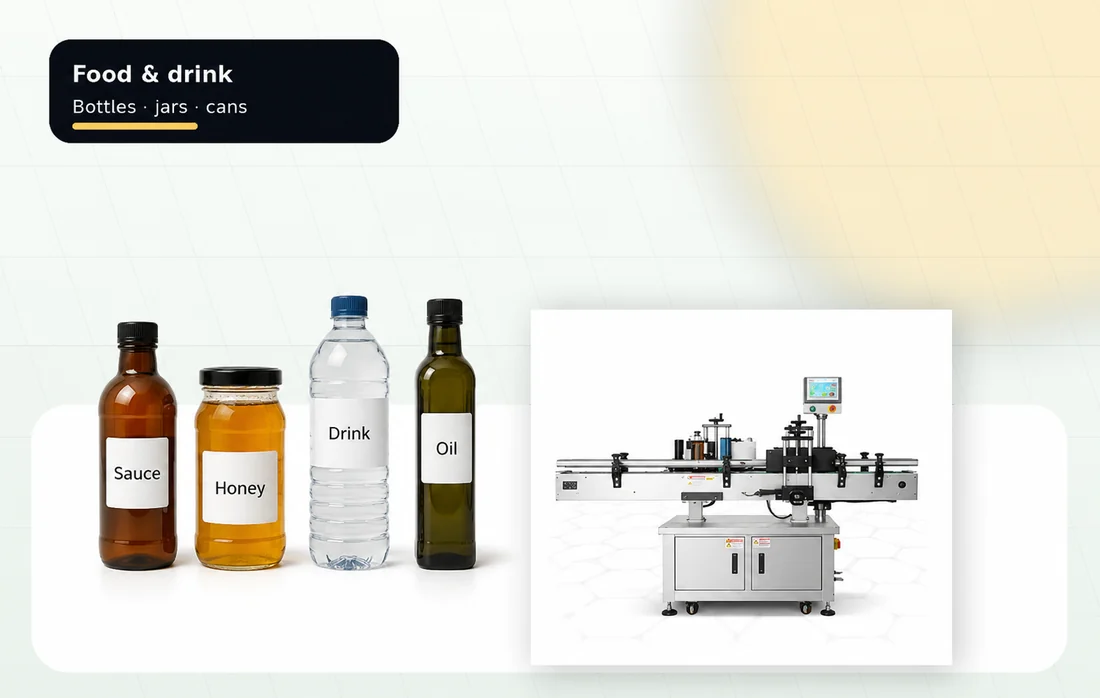
Food & drink
Bottles, jars and cans for sauces, honey, oils, juices, beer, spirits, condiments and dairy products.
Applications
Lancing supplies round bottle labelling machinery for manufacturers who need consistent label presentation, practical changeover and integration with filling, capping and coding processes.
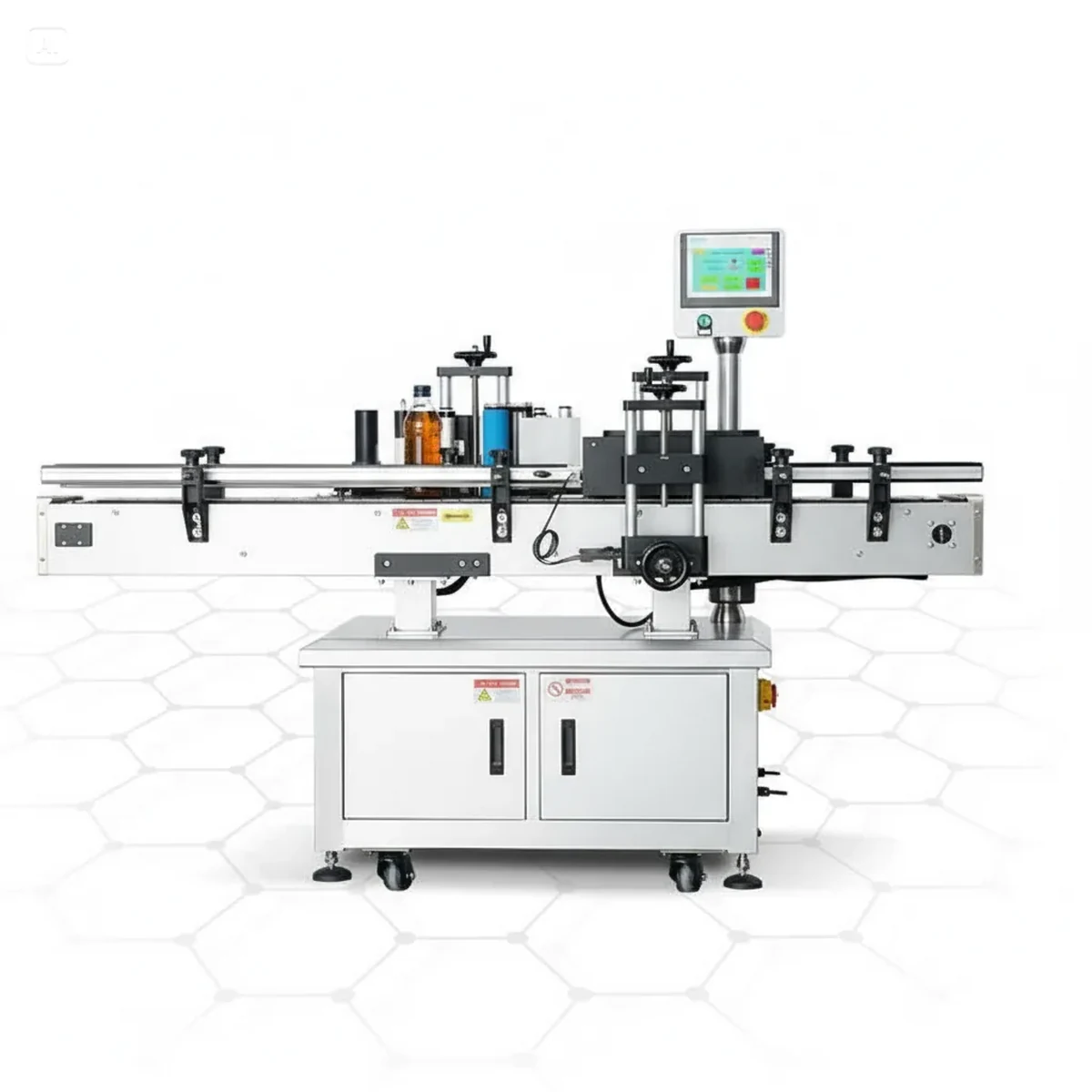
Sectors
Every sector has different label stock, cleanability, speed and validation needs. Lancing helps match the machine to the product, label and production environment.
Bottles, jars and cans for sauces, honey, oils, juices, beer, spirits, condiments and dairy products.
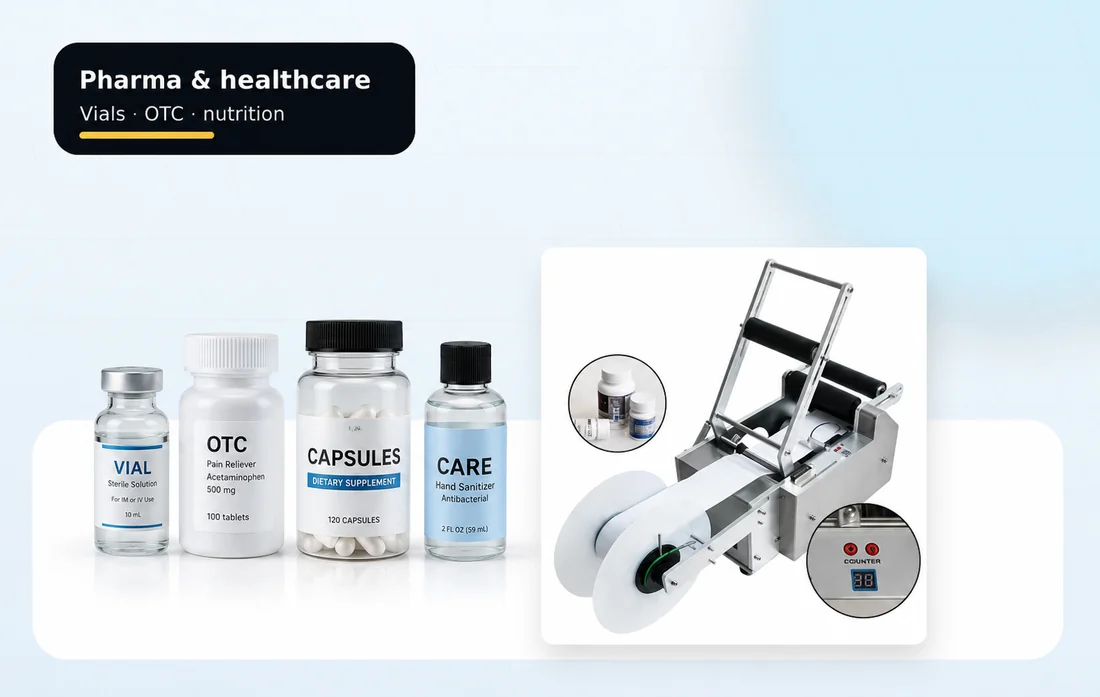
Round bottles for shampoo, lotion, creams, oils, sprays and personal care products.
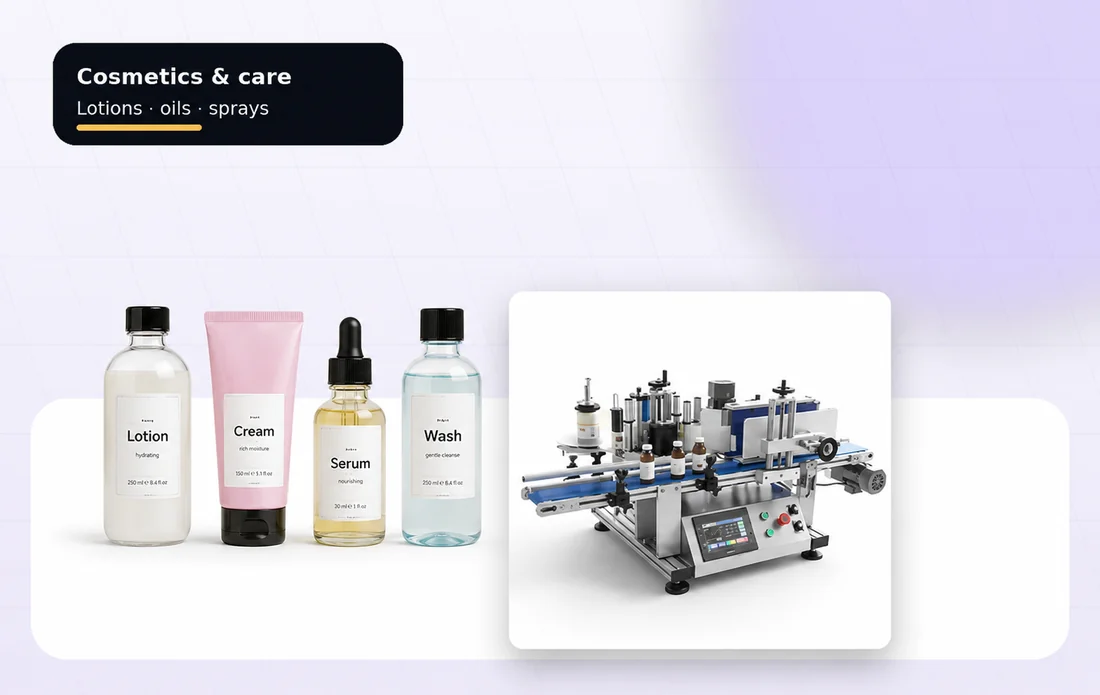
Vials, nutraceutical bottles, OTC packs and healthcare products where repeatability and coding options matter.
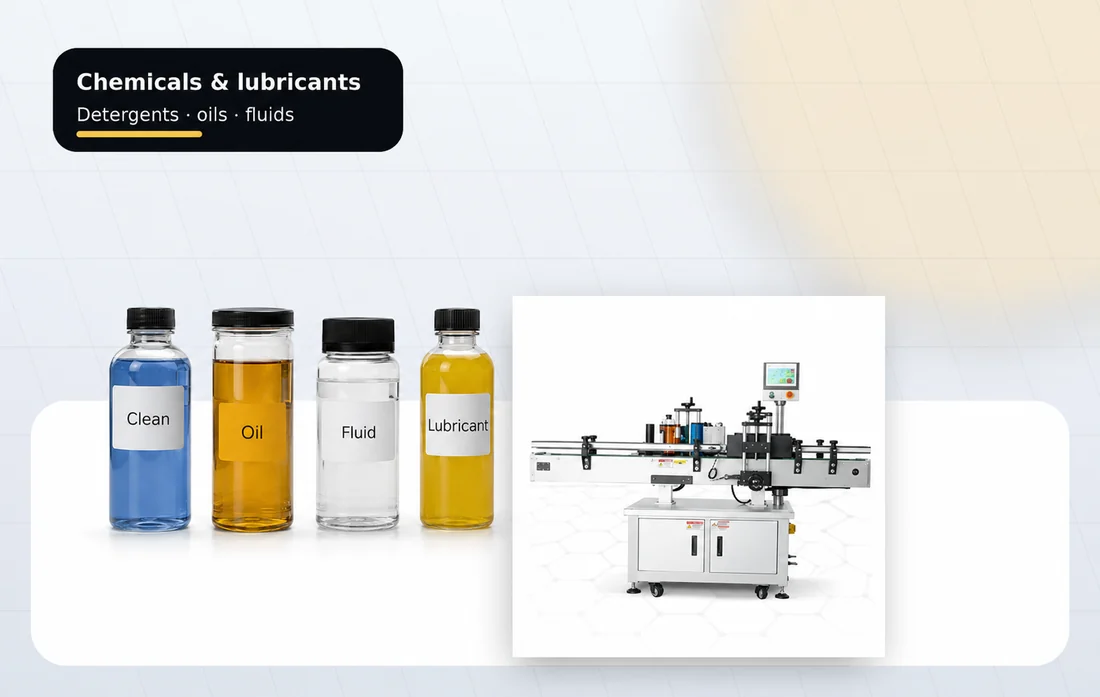
Cleaning products, disinfectant, detergents, oils and technical fluids in round bottles and cans.
Specification details
Wraparound labelling performance depends on container geometry and label behaviour. Good sample information reduces specification risk and helps confirm whether a semi-automatic, compact automatic or fully automatic platform is best.
Quick enquiry
Include the container diameter, label size, material, target output and whether the label is paper, film or transparent. We will recommend the most suitable semi-automatic, compact or fully automatic configuration.
Phone: 01494 623015
Email: sales@lancinguk.com
Industry application review
Each project should be reviewed using actual packs and labels, without assuming that every product in an industry behaves the same way.
Round sauce bottles, beverage bottles, oil bottles and jars can use wraparound labels where the body provides a stable cylindrical panel. Check cold or hot filling, condensation, oily surfaces, jar rims and label adhesives under the expected production conditions. Coding may need a defined area for date, batch or lot information.
Read the food and drink labelling guide or the wider Lancing food and drink machinery overview.
Presentation is often especially sensitive to label height, seam position and bubbles beneath clear film. Flexible bottles, high-gloss surfaces and transparent labels should be tested with the proposed guides, wrap pressure and sensor. Artwork orientation may need to align with a cap, pump or moulding feature.
Use the cosmetic bottle labelling guide for the round-container application.
Bottle rigidity, surface contamination, container size range and label durability can vary substantially. Confirm that any oil, dust or product residue is represented during the trial and that the selected label construction is suitable for the intended use. This website does not replace a product-specific material or safety assessment.
Read the chemical and lubricant labelling guide or the broader Lancing chemical machinery route.
Small vials and bottles can make label-gap detection, web control and placement measurement more demanding. Confirm the exact pack, label construction, code area and any inspection requirement. No compliance or validation status should be assumed from a general machinery page; project requirements must be defined separately.
Review the vial labelling guide and the wider Lancing pharmaceutical and medical machinery overview.
Provide the complete container range, production-condition samples, final label rolls, normal and peak output, batch size, changeover frequency, coding data and available line space. State whether packs arrive wet, cold, dusty, oily or warm, because those conditions can affect handling and adhesion. For automatic projects, add conveyor height and direction, product pitch, upstream speed, downstream capacity and controls requirements.
Where the pack is flat, oval or shaped and needs separate panels, use the front and back labelling specialist site. For broader bottle-labelling technology beyond round-container wraparound, use Bottle Labellers UK.
Industry trial route
Container temperature, surface residue, label construction, batch pattern and coding can differ materially between food, cosmetics, chemicals, healthcare and contract packing.
Plan testing for condensation, oils, flexible plastics, glass, metal and clear labels.
Control frequent formats, customer rolls, coding and first-off approval.
Confirm transfer, utilities, access, coding and acceptance at the production site.
Operator responsibilities and quality checks should be defined using the operator training guide.
Questions buyers ask
The application principle is the same, but container condition, label construction, cleaning, coding and evidence requirements can differ significantly between sectors.
Industry requirements change the specification because the pack material, surface condition, label durability, coding, cleaning, traceability and production environment can be different even when the container is round. The buyer should translate sector needs into verifiable application requirements rather than relying on an industry name alone.
Start with the URS guide.
Food and drink buyers should check whether containers are dry, clean and at a representative temperature, whether product or washdown residue can reach the label panel, and whether coding and inspection are included. Final hygiene and food-contact responsibilities depend on the complete application and site procedures.
See the food and drink guide.
Cosmetic buyers often need close control of seam appearance, clear labels and multi-SKU changeover, while chemical and lubricant applications may need careful review of oily surfaces, durable label constructions and the operating environment. In both cases, test the finished container and label rather than an untreated sample.
Compare the cosmetic and chemical and lubricant guides.
Healthcare buyers should define the approved container and label range, coding and traceability needs, inspection and reject response, change control, cleaning expectations, documentation and acceptance evidence. The machine supplier can then confirm what the proposed configuration covers; final regulated-use suitability remains application and site specific.
Use the healthcare labelling guide.