
Before order or acceptance
- Support contact and escalation route.
- Manuals, drawings and approved settings.
- Recommended maintenance and inspection tasks.
- Verified spare and consumable references.
- Training scope and authorised-user expectations.
Machine lifecycle and aftercare
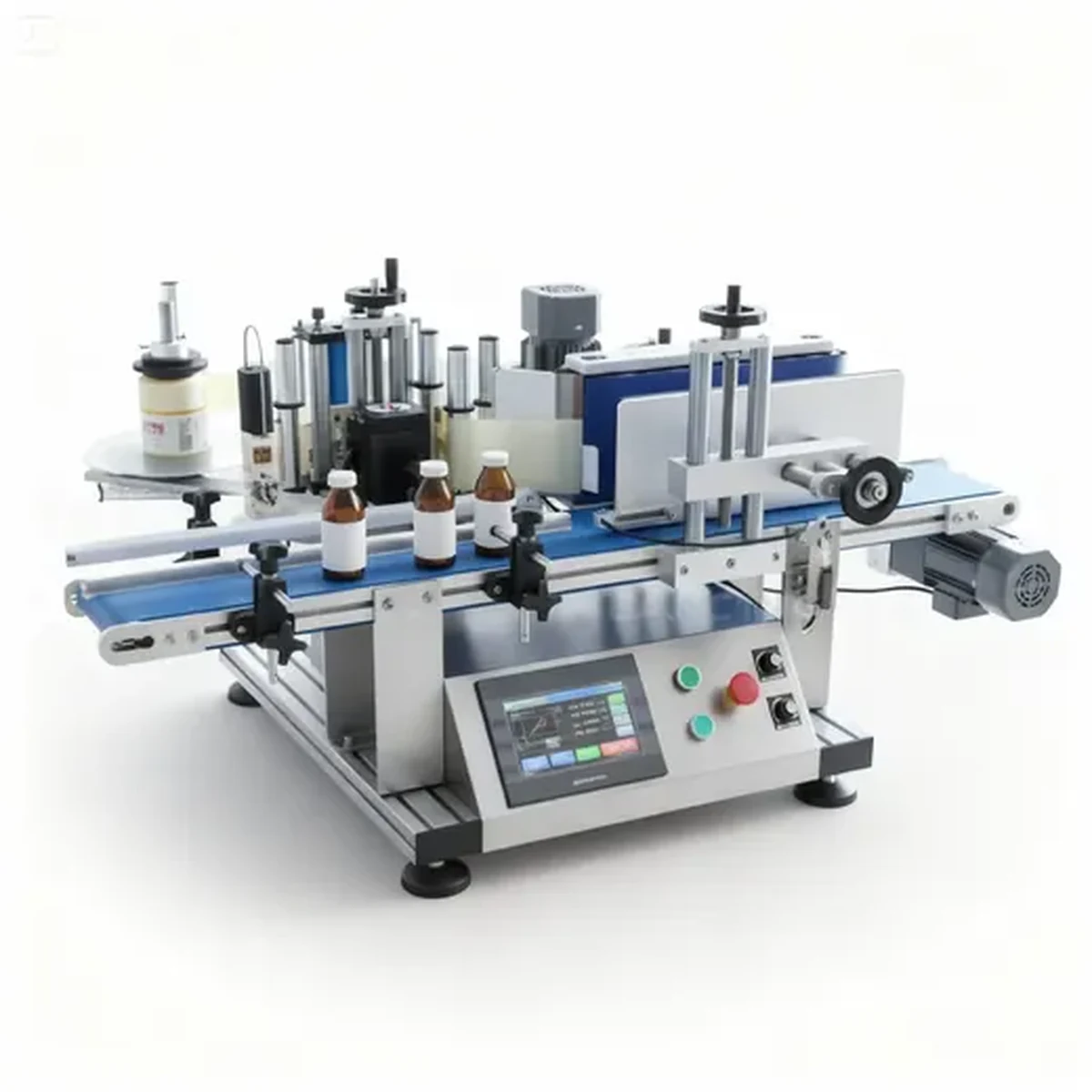
A labeller becomes easier to support when the installed configuration, approved settings, reference samples, maintenance tasks and spare-part identities are controlled from handover. Plan how the accepted result will be recovered before an urgent fault occurs.
Lifecycle planning
A service plan should protect the accepted label result, not only restore motion after a breakdown. Retain the approved setup, sample evidence, control backups and part references needed to recover the machine predictably.
| Support area | What to prepare | Why it reduces downtime |
|---|---|---|
| Machine identity | Model, serial number, configuration, drawings and software/parameter version. | Prevents support being based on the wrong machine variant. |
| Approved setup | Recipe values, guide positions, sensor settings, label roll specification and reference samples. | Allows a known-good condition to be restored after changeover or repair. |
| Wear and spare parts | Application-specific list based on wear, consequence of failure and replenishment time. | Avoids holding irrelevant parts while missing the item that stops production. |
| Fault evidence | Video, photographs, alarm text, sequence point, last good run and recent changes. | Lets technical support separate mechanical, material, control and process causes. |
| Training and access | Authorised operators, maintainers, isolation method and safe access requirements. | Reduces unsafe trial-and-error and unnecessary setting changes. |
Buyer question
The right spares list depends on the exact machine, duty, wear rate, consequence of failure and replenishment time; there is no universal list that is correct for every labeller. Start with the supplied documentation and identify the components whose failure would stop safe production or materially affect label quality.
Typical categories to review include sensors, belts or rollers, fuses, approved electrical items, printer consumables, wear surfaces and application-specific format parts. The final list should use verified part numbers for the installed machine rather than generic descriptions.
Fault evidence
The fastest useful support request identifies the machine, the exact symptom, the point in the sequence where it occurs, the affected container and label, and any change made since the last good run. A short video and photographs of the web path, sensor, finished label and control screen are often more useful than a general statement that the machine is not working.
Recoverable setup
Controlled recipe backups, labelled mechanical positions and an approved reference pack make it possible to distinguish a lost setup from a worn part or material change. Back up parameters after acceptance, record authorised changes and avoid replacing a known-good setup with undocumented trial values.
For adjustable mechanical positions, use repeatable scales, setting sheets or photographs where the machine design permits. For software-controlled equipment, follow the supplier's approved backup method and keep the copy under change control.
Escalation
Stop and escalate when a fault affects guarding, emergency stops, isolation, unexpected movement, electrical safety or any condition that cannot be resolved within the authorised operating procedure. Specialist help is also appropriate for repeated label-quality faults after the verified container, label and setup have been checked.
Do not bypass interlocks, defeat guards or continue with an unsafe temporary repair. The safety and PUWER guide explains the boundary between routine operation and site-specific safety responsibility.
Support readiness
Lancing's official company information describes rapid spares, servicing and aftercare across its packaging machinery work. Final availability, response and part scope should be confirmed for the quoted machine and location. Use the Lancing company page and send the installed-machine details for a specific support discussion.
Quick enquiry
Include container diameter, label size, material, target output and whether the label is paper, film or transparent. Lancing can recommend a suitable semi-automatic, compact or automatic configuration.
Phone: 01494 623015
Email: sales@lancinguk.com