
Overlap
Can hide circumference variation but may create a visible double layer and can affect artwork or code readability.
Label design for application
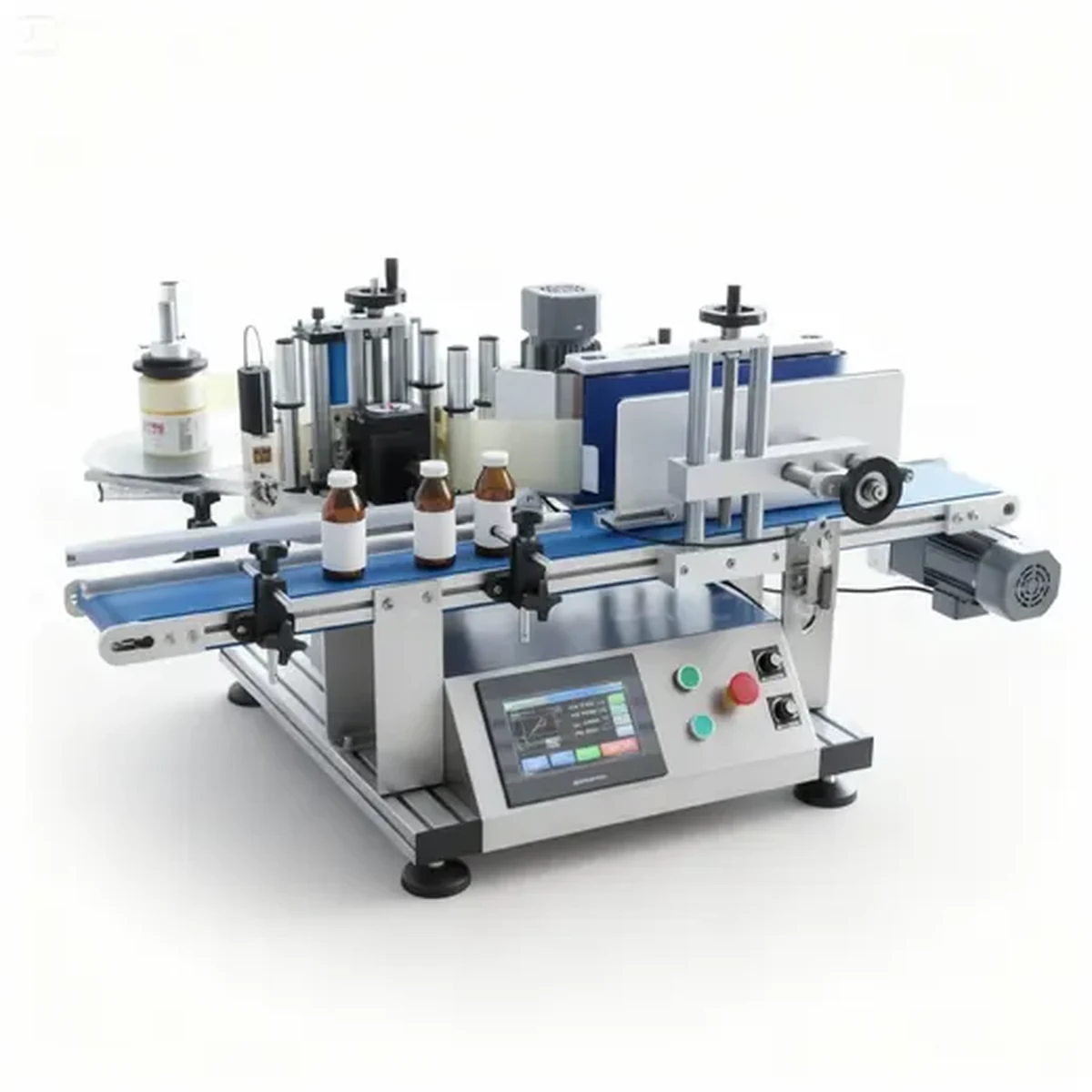
A wraparound label should be designed around the measured container circumference, the intended seam treatment and the real application tolerance. Artwork, mandatory information and variable coding should remain readable when the label is applied, while the label length and construction should be confirmed on production containers before the full print run.
Artwork control
The print file may be flat, but the final result is judged around a curved surface. The seam, bottle mould features, code area and label-start position should therefore be reviewed together.
| Design area | Question to resolve | Evidence |
|---|---|---|
| Label length | Will the finished label overlap, meet or leave a deliberate gap? | Measured circumference at the actual label height and a physical trial. |
| Seam location | Where should the label start and finish relative to the presentation face? | Approved labelled sample with seam and orientation marked. |
| Critical artwork | Could text, barcodes, instructions or legal information enter the seam or distorted area? | Applied artwork proof, not only a flat PDF. |
| Variable coding | Is there a stable, printable area that remains readable after application? | Coder trial using the intended label material and print data. |
| Roll construction | Will the artwork arrive at the machine in the correct orientation? | Roll winding diagram or labelled sample roll. |
Buyer question
The wraparound label seam should be placed where it does not obscure important artwork, barcodes, instructions or the intended presentation face. The best position depends on container orientation, label start point and how the pack is displayed. A retained applied sample should define the approved seam position more clearly than artwork alone.
Mark the intended presentation face, label start and seam on a real container. If the pack has a closure feature, mould seam, handle, embossing or date-code panel, include that feature in the orientation review. For containers that can enter at any rotational angle, do not assume a particular artwork panel will always face forward unless an orientation system is included and verified.
The placement and wrap quality guide explains how to record seam position and label height during a trial.
Buyer question
A wraparound label may use an overlap, a near-meeting seam or a deliberate gap, but the choice must be based on the container circumference, label construction, artwork and acceptable appearance. No single overlap value suits every pack. The decision should be confirmed with the actual label material on representative containers.
Can hide circumference variation but may create a visible double layer and can affect artwork or code readability.
Can give a clean appearance but leaves less allowance for container and placement variation.
Makes the seam obvious and avoids a double layer, but the exposed container strip becomes part of the design.
Measure the container at the actual label height and confirm the result with the diameter and label-length guide.
Buyer question
Critical artwork should be kept away from the area where the label starts, finishes, overlaps or gaps. Allow for normal variation in container circumference, label length and application position. A flat artwork file can look correct while the applied pack places text or a barcode across the seam, so approval should include a physical labelled sample.
Buyer question
The coding area should be flat enough during printing, compatible with the selected coder and clear of the wrap seam, heavy graphics and surface features that reduce readability. Its position must also be reachable by the coder before or after label application. The final code should be tested on the production label material using real data.
Confirm whether the code is printed onto the label web before application, onto the applied label, or directly onto the container. Each route changes the trigger position, print window and verification method. Define the message length, font or symbol requirement, change frequency and response to an unreadable code before selecting the coder.
Use the coding and labelling line guide to connect artwork decisions to the machine sequence.
Buyer question
Before a production label run, provide an approved artwork file, final label dimensions, face and liner materials, label gap, roll core, outside diameter, winding direction and a drawing or sample showing the intended seam. The labeller supplier should also receive representative containers and a production-equivalent roll for sensing and application checks.
The label roll core and web guide provides the machine-side roll checklist.
Quick enquiry
Include container diameter, label size, material, target output and whether the label is paper, film or transparent. Lancing can recommend a suitable semi-automatic, compact or automatic configuration.
Phone: 01494 623015
Email: sales@lancinguk.com