
Identify the approved format
Match container, label roll, code and retained sample before loading the machine.
Operational competence
Operator training should cover the approved process, not only the start button. Define who may set, run, inspect, clean, change formats and escalate faults on the installed machine.
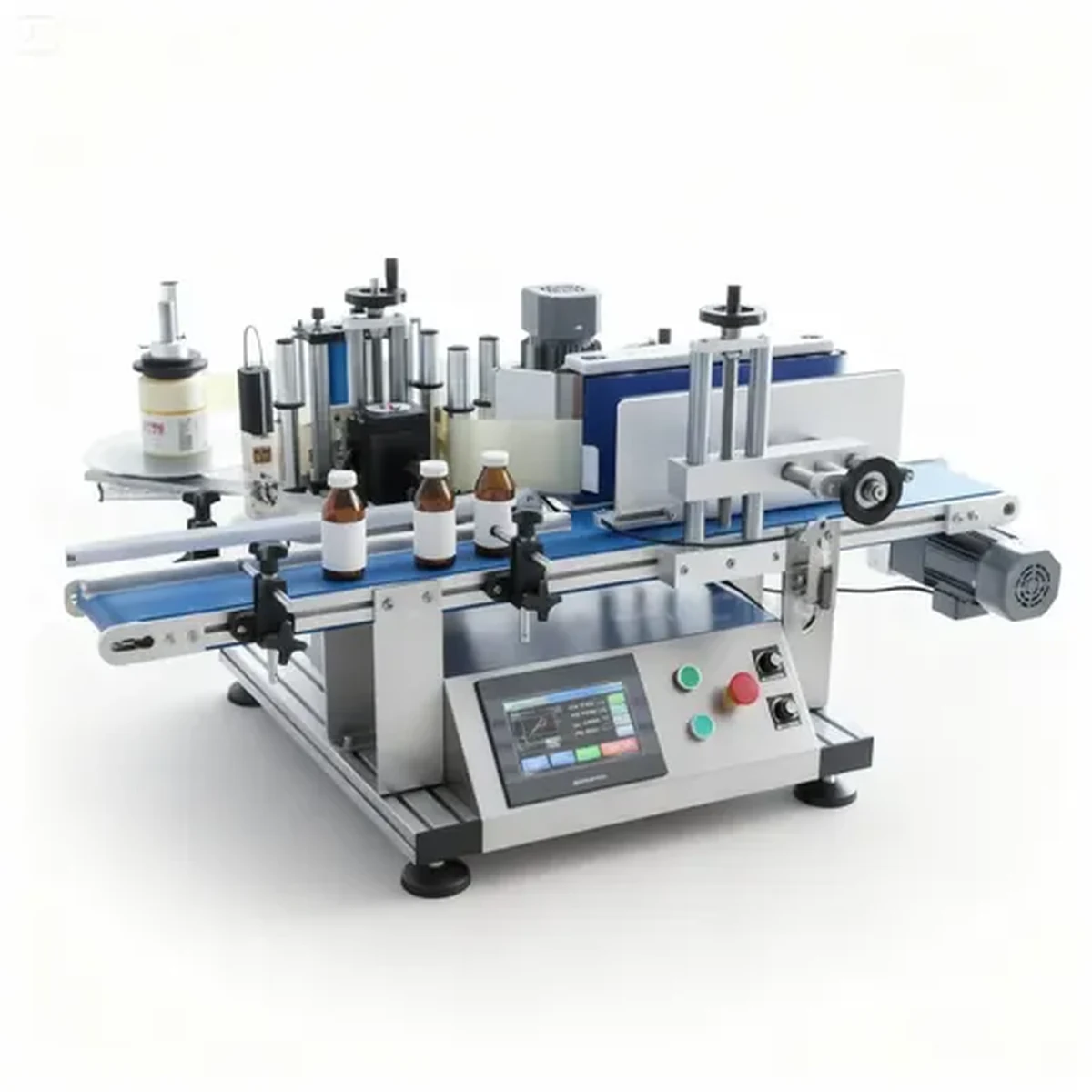
Training scope
The final responsibilities depend on the machine, guarding, site procedures and risk assessment. Training should be delivered and authorised for the actual installed equipment.
| Role | Typical competence to confirm | Evidence |
|---|---|---|
| Operator | Pre-start checks, normal loading or line monitoring, quality inspection, replenishing labels where permitted, controlled stop and escalation. | Observed normal run and correct response to defined routine conditions. |
| Changeover operator | Format identification, mechanical settings, roll threading, sensor setup, coding data, first-off approval and restoration of safeguards. | Completed changeover using the approved format record and accepted samples. |
| Line leader or quality approver | Placement and code acceptance, sample retention, deviation handling and production release. | Documented checks against the agreed measurement method. |
| Maintenance or technical support | Authorised diagnosis, adjustment and maintenance within the machine manual and site safety system. | Competency record appropriate to the installed equipment and tasks. |
Training sequence
Match container, label roll, code and retained sample before loading the machine.
Inspect the web path, guides, sensors, guards, work area and downstream capacity according to the supplied procedure.
Understand normal container flow, label dispense and wrap action, then check placement, seam and code at the required frequency.
Use the defined stop and restart process, inspect the first pack and never bypass a safeguard or conceal a repeated fault.
Use recorded settings and obtain first-off approval rather than adjusting the machine from memory.
Leave the machine in the required condition, record issues and communicate any format or material variation to the next shift.
Competency record
Training should not authorise work outside the person’s role. Use the machine manual and site-specific safety arrangements for isolation, guarded access and maintenance. The changeover guide and placement-quality guide provide practical records for operator assessment.
Training by automation level
Bench, compact and fully automatic machines share the same basic label-and-container principles, but the operator's interaction and the consequences of an uncontrolled adjustment are different.
| Machine arrangement | Routine operator emphasis | Escalation boundary |
|---|---|---|
| Bench or semi-automatic | Consistent container loading, cycle initiation, removal, first-off inspection and safe roll replenishment. | Repeated placement drift, sensor instability, damaged rollers, electrical faults or any need to enter a prohibited area. |
| Compact automatic | Controlled infeed, product spacing, label supply, normal start/stop behaviour and discharge handling. | Persistent bottle instability, web tracking problems, timing changes outside the approved format record or interface faults. |
| Fully automatic inline | Line permissives, accumulation response, recipe selection, coder/inspection status and approved restart checks. | Guarding or safety faults, control-system changes, unresolved rejects, repeated jams or changes to connected-machine logic. |
A classroom explanation or one successful pack does not prove that an operator can manage normal production variation. Assessment should include start-up, a label-roll change, a controlled stop and restart, the response to a rejected pack, and correct completion of the format record. The semi-automatic demonstration can support workstation discussion, while the automatic demonstration helps explain the connected infeed, sensing, application and discharge sequence. Training must remain consistent with the supplied machine manual and the site's own risk controls.
Quick enquiry
Include container diameter, label size, material, target output and whether the label is paper, film or transparent. Lancing can recommend a suitable semi-automatic, compact or automatic configuration.
Phone: 01494 623015
Email: sales@lancinguk.com
Use actual accepted packs during training to show label height, seam finish, reading direction and the appearance criteria agreed for the format. Include examples that illustrate the defects your procedure requires operators to identify. Link those examples to the current container and artwork references.
Ask the training scope to include locating the right setup record and confirming the correct roll before production starts. Where personnel perform changeovers, include a return to a previously approved format and the associated first-pack approval. Record tasks requiring further instruction or supervision.
Review the format record, sample references and applicable checks when artwork or material changes. Provide additional instruction where the task changes, and keep the training record linked to the current procedure and approved formats.