
✓
Unwind direction
Confirm whether labels are wound inside or outside and whether the printed face is visible.
Label setup
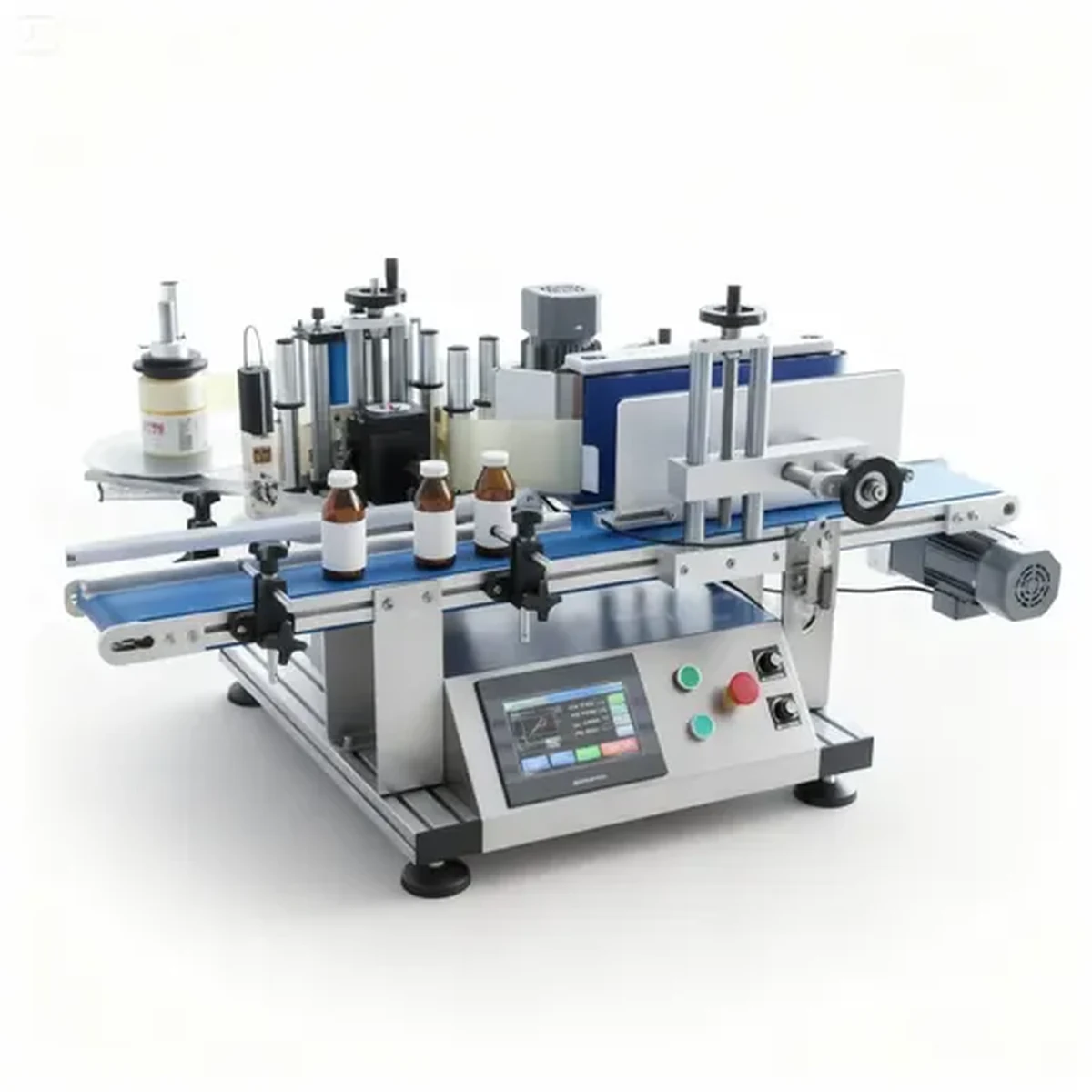
Label roll direction affects whether the label feeds correctly through the applicator and reaches the container in the correct orientation. This guide explains what to check before ordering labels for a wraparound labelling machine.
Technical guide
For self-adhesive labels, the direction of unwind, print orientation and leading edge need to match the machine. If the roll is wound the wrong way, the label can present upside down, back-to-front or with the wrong edge leading at the peel plate. This is a common reason for delays when a new product is introduced.
Confirm whether labels are wound inside or outside and whether the printed face is visible.
Confirm which edge leaves the backing first when the label is dispensed.
Check core diameter, outside roll diameter and label gap against the machine specification.
Practical comparison
| Term | Meaning | Why it matters |
|---|---|---|
| Inside wound | Labels face inward on the roll | May require a different unwind path |
| Outside wound | Labels face outward on the roll | Common for many label applicators |
| Leading edge | First part of the label to leave the backing | Affects placement and orientation |
| Core diameter | Internal diameter of the label roll core | Must fit the unwind holder |
| Label gap | Distance between labels on the backing web | Used by the label sensor |
Specification advice
Review the actual container shape, diameter, label panel and surface finish. A label applicator works best when the pack is stable and the label area is predictable.
Confirm label material, roll direction, label gap and adhesive before ordering production labels. Clear, film or metallic labels may need extra testing.
Decide whether the operation is batch-fed, compact automatic or part of a conveyorised filling and capping line. The best machine is the one that fits the full process.
Related guidance
Use these guides to compare machine routes, confirm the label and container specification, and prepare the evidence needed for a useful quotation.
Browse selection, setup, sensing, output, integration and troubleshooting guidance for round-container labelling projects.
Compare bench, compact and automatic routes using container, label, output, changeover and integration requirements.
Collect container dimensions, label-roll data, output, coding and site details before requesting a machine quotation.
Measure the usable cylindrical panel and estimate label length, seam gap or overlap for a representative sample.
Separate headline cycle rate from sustainable accepted output by allowing for handling, coding, stops and changeovers.
Work through container, roll, sensor, guide and wrap settings when labels skew, wrinkle, bubble or fail to dispense.
Browse selection, setup, sensing, output, integration and troubleshooting guidance for round-container labelling projects.
Review conveyorised wraparound labelling for higher-output round-container lines and upstream or downstream integration.
Review a smaller automatic route for growing production where repeatability is needed without a full-size inline system.
Review operator-fed wraparound labelling for shorter batches, frequent changeovers and limited production space.
Compare bench, semi-automatic, compact and fully automatic wraparound labellers in one range overview.
Send the container, label, output, coding and line details needed for a practical Lancing application review.
Questions
Sometimes, but rewinding adds cost and time. It is better to confirm roll direction before printing.
Yes. Semi-automatic machines still need the label to feed and present correctly.
Send a photo of the label roll, label artwork orientation and details of the intended machine where available.
Technical review
This guide is maintained by Lancing's packaging machinery team. Lancing states that it has specialised in semi-automatic and fully automatic machinery for over 40 years and supports equipment across the UK, Europe and worldwide. Final recommendations are confirmed against actual containers, labels and production targets.
Last technical review: 11 July 2026 · About Lancing · Official company profile
Quick enquiry
Include container diameter, label size, material, target output and whether the label is paper, film or transparent. Lancing can recommend a suitable semi-automatic, compact or automatic configuration.
Phone: 01494 623015
Email: sales@lancinguk.com
Roll verification
Numbering conventions can vary between suppliers, so a photograph and physical roll are safer than a direction number alone.
Record whether the labels face inward or outward on the roll and which label edge leads as the web unwinds. Photograph the roll from the side and from the end, mark the unwind direction and identify the top of the artwork. The applicator needs the label to arrive at the peel plate in the correct orientation while the backing follows the intended waste path.
Measure the core inside diameter and planned maximum roll outside diameter. Both affect whether the roll fits the unwind and clears the surrounding frame.
Provide web width, label width and length, gap and any matrix or edge margin. These dimensions affect guides, sensing and peel presentation.
Show which edge should be at the top of the finished container. This is particularly important where text, a code panel or principal display face must remain upright.
Do not commit a full print run until winding, core, outside diameter, web width and sensor compatibility are confirmed for the selected labeller. Supply a short production-equivalent roll for the trial and retain the approved roll specification with the machine format record.
Use the sensor guide for paper, film and clear constructions and the testing guide to record web tracking and repeat detection.