
✓
Container dimensions
Diameter, height, material, shape, cap style and whether the product is filled before labelling.
Specification checklist
A better quotation starts with better specification information. Use this checklist to gather the container, label and production details needed before selecting a wraparound bottle labelling machine.
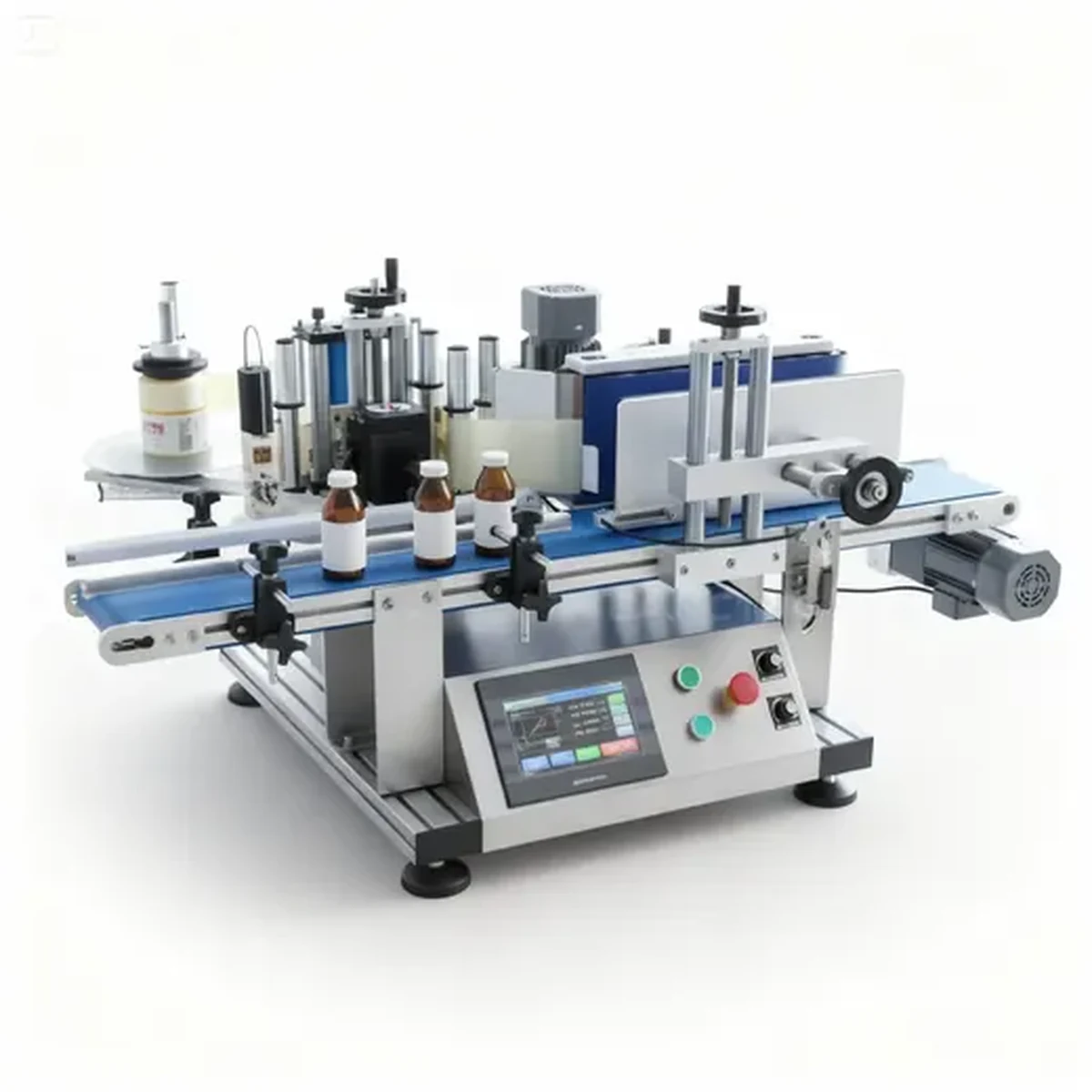
Checklist
Many labelling problems begin before the machine is built: missing container dimensions, unclear label roll direction, untested transparent labels or an output target that does not match the rest of the line. This page gives buyers a practical checklist for collecting the right information.
Diameter, height, material, shape, cap style and whether the product is filled before labelling.
Width, length, backing paper, adhesive, roll direction and whether the label is clear, film or paper.
Target speed, batch size, changeover frequency, labour level and integration requirements.
Practical comparison
| Checklist item | Send this information | Helpful notes |
|---|---|---|
| Container size | Diameter and height in mm | Measure multiple samples if containers vary |
| Label size | Width and length in mm | Include gap between labels on the roll |
| Roll direction | Inside/outside wound and leading edge | Prevents unwind and orientation errors |
| Label material | Paper, PP, PE, clear film or metallic | Sensor selection may change |
| Output | Target containers per minute | Include current and planned volume |
| Line layout | Conveyor width, height and direction | Important for inline automatic machines |
Specification advice
Review the actual container shape, diameter, label panel and surface finish. A label applicator works best when the pack is stable and the label area is predictable.
Confirm label material, roll direction, label gap and adhesive before ordering production labels. Clear, film or metallic labels may need extra testing.
Decide whether the operation is batch-fed, compact automatic or part of a conveyorised filling and capping line. The best machine is the one that fits the full process.
Related guidance
Use these guides to compare machine routes, confirm the label and container specification, and prepare the evidence needed for a useful quotation.
Browse selection, setup, sensing, output, integration and troubleshooting guidance for round-container labelling projects.
Compare bench, compact and automatic routes using container, label, output, changeover and integration requirements.
Check unwind direction, leading edge and roll presentation before ordering production labels or arranging a trial.
Measure the usable cylindrical panel and estimate label length, seam gap or overlap for a representative sample.
Separate headline cycle rate from sustainable accepted output by allowing for handling, coding, stops and changeovers.
Work through container, roll, sensor, guide and wrap settings when labels skew, wrinkle, bubble or fail to dispense.
Browse selection, setup, sensing, output, integration and troubleshooting guidance for round-container labelling projects.
Review conveyorised wraparound labelling for higher-output round-container lines and upstream or downstream integration.
Review a smaller automatic route for growing production where repeatability is needed without a full-size inline system.
Review operator-fed wraparound labelling for shorter batches, frequent changeovers and limited production space.
Compare bench, semi-automatic, compact and fully automatic wraparound labellers in one range overview.
Send the container, label, output, coding and line details needed for a practical Lancing application review.
Questions
Photos and dimensions help, but physical samples give the most reliable review for container stability and label handling.
The applicator needs the label presented correctly at the peel plate. Incorrect roll direction can delay setup or require label rewinding.
Transparent or low-contrast labels may need a clear label sensor or alternative detection method.
Technical review
This guide is maintained by Lancing's packaging machinery team. Lancing states that it has specialised in semi-automatic and fully automatic machinery for over 40 years and supports equipment across the UK, Europe and worldwide. Final recommendations are confirmed against actual containers, labels and production targets.
Last technical review: 11 July 2026 · About Lancing · Official company profile
Quick enquiry
Include container diameter, label size, material, target output and whether the label is paper, film or transparent. Lancing can recommend a suitable semi-automatic, compact or automatic configuration.
Phone: 01494 623015
Email: sales@lancinguk.com
Evidence matrix
Each requirement should identify the source sample, test condition and acceptance method rather than relying on a general description.
| Specification group | Information | Evidence or acceptance record |
|---|---|---|
| Container matrix | Material, diameter, height, label panel, taper, seam, rigidity, filled weight and cap or lid features. | Dimensioned sample list and photographs of the minimum, maximum and most difficult formats. |
| Label and roll | Label width and length, web width, gap, face material, liner, adhesive, core, outside diameter and winding direction. | Production rolls identified by reference or batch. |
| Quality | Label height, skew, seam gap or overlap, wrinkles, bubbles, edge lift, artwork orientation and code quality. | Defined measurement method and consecutive accepted sample set. |
| Output | Normal and peak rate, batch size, changes per shift, roll changes and replenishment. | Timed full-cycle or line run with stated conditions. |
| Integration | Conveyor direction and height, infeed spacing, accumulation, controls, coder, inspection and reject handling. | Approved layout and interface list. |
| Utilities and access | Electrical supply, any compressed air, footprint, loading space, guarding access and maintenance clearance. | Site survey or confirmed layout dimensions. |
Add a format-change matrix showing which guides, sensors, label paths, coder positions or change parts move between products. This reveals whether the machine is merely capable of each format or practical for the planned change frequency. Where a requirement is unknown, mark it for sample testing rather than inserting an assumed value.
Use the buyer’s guide to select the automation level, the sample guide to generate evidence and the integration guide for conveyor and controls interfaces.
Complete project inputs
Container and label dimensions are essential, but they do not define unwind capacity, installation interfaces or the services included in a quotation.
Use the core and web guide for roll core, web width, diameter, gap and winding.
Use the installation guide for access, utilities, conveyors and controls.
Use the quotation factors guide to define coding, inspection, training and acceptance.